
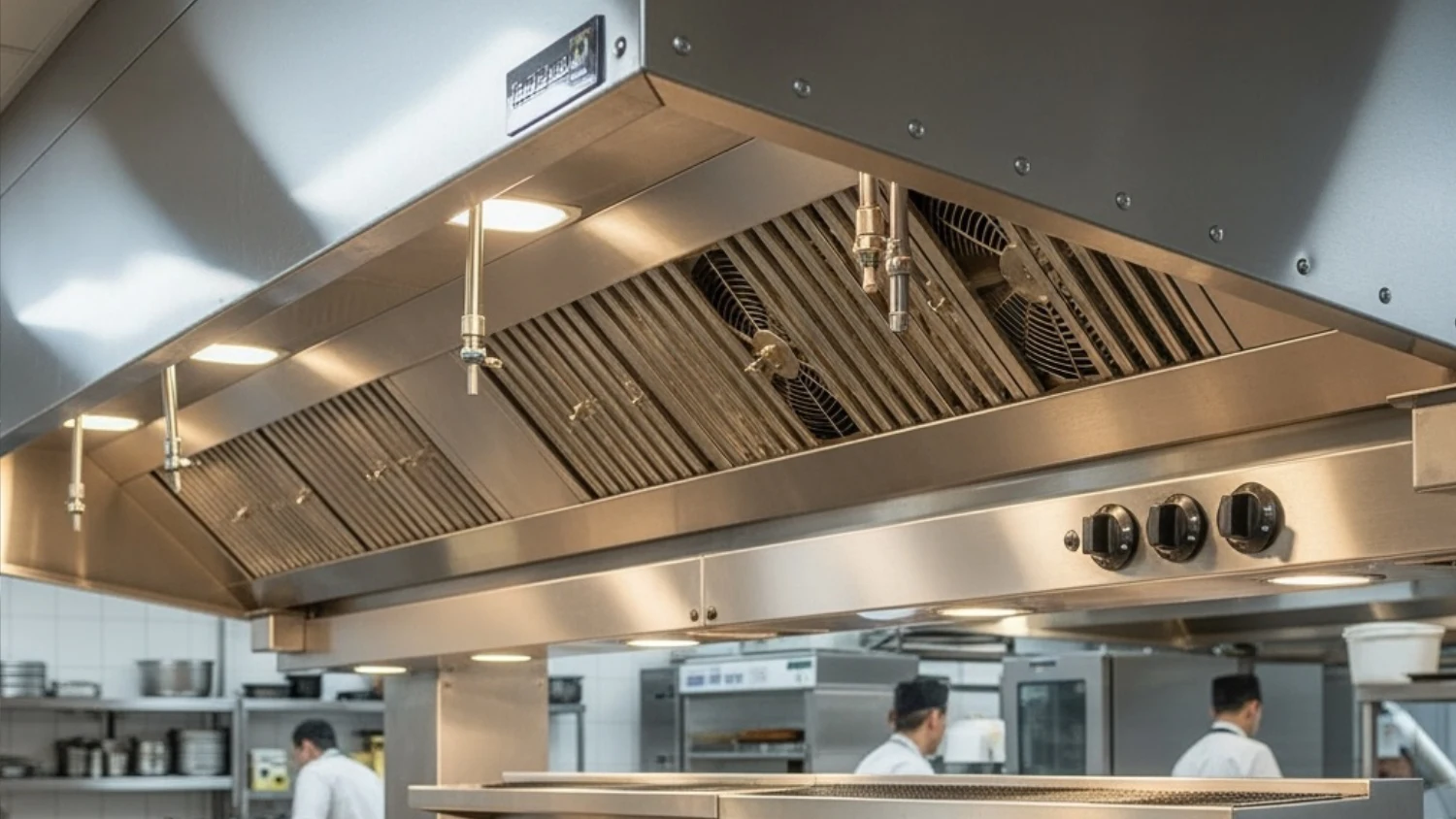
Commercial kitchen hood cleaning requirements exist for one reason above all others: fire prevention. In commercial kitchens, cooking generates fat, oil and grease that collect inside hoods, ductwork and exhaust systems. If these residues aren’t removed on a defined schedule, they become fuel. Fires that start in kitchen exhaust systems spread fast and are highly difficult to contain.
Commercial kitchen hood cleaning code requirements are shaped by national fire safety standards, state and local regulations and health department standards. The most widely referenced framework is NFPA 96, the Standard for Ventilation Control and Fire Protection of Commercial Cooking Operations; fire marshals, safety inspectors and insurance providers all count on this standard when evaluating compliance.
For kitchen operators, these requirements have a tangible impact on daily operations. Staff must understand cleaning responsibilities, managers must document maintenance and facilities teams must coordinate professional service when required. Citations, forced shutdowns, fines and denied insurance claims after a fire are all potential consequences of failing to meet cleaning code requirements.
Understanding NFPA 96 and Its Implications for Kitchen Safety
As the primary fire safety regulation governing commercial cooking operations in the United States, NFPA 96 establishes minimum fire safety standards for kitchen exhaust systems, including hoods, grease filters, ducts and fans.
Under NFPA 96 guidelines, kitchen exhaust systems need to be inspected and cleaned at intervals based on the type and volume of cooking performed. High grease operations like charbroiling or wok cooking require more frequent service than low volume or light duty cooking. The goal is simple: prevent grease accumulation from reaching levels that increase fire risk.
NFPA 96 influences kitchen hood cleaning practices by defining hood cleaning frequency, access requirements and documentation standards. Inspectors look for visible grease buildup, service tags and proof that certified professionals performed the work, and fire suppression systems must remain functional and unobstructed at all times.
Compliance checkpoints such as accessible grease filters, clean duct interiors, functioning fire suppression systems and clear records of service are incredibly important. Kitchens following NFPA 96 guidelines ultimately experience fewer fire incidents and fewer disruptions during inspections.
Ventilation System Maintenance and Troubleshooting
Kitchen ventilation systems have a direct connection to air quality, employee safety and regulatory compliance. Proper airflow removes heat, smoke and airborne grease particles; when ventilation systems fail or are poorly maintained, grease accumulates faster and indoor air quality suffers.
The most common ventilation system issues include clogged grease filters, restricted duct airflow and fan failures. They’re problems that tend to appear gradually, making routine inspection crucial; maintenance teams should check grease filters weekly, verify fan operation and look for signs of residue around access panels.
Ventilation system troubleshooting often begins with airflow, as reduced exhaust performance can indicate blocked ductwork or heavily coated components. Addressing these issues promptly supports commercial kitchen maintenance goals and helps kitchens meet health department standards during inspections.
Restaurant Inspection Checklist and Compliance
Thorough restaurant inspection checklists typically span fire safety, sanitation, equipment condition and ventilation performance. Inspectors focus heavily on kitchen exhaust systems, given their connection to fire hazards.
Preparation starts with proper documentation: Kitchens should maintain records showing hood cleaning frequency, fire suppression system testing and grease trap service. Inspectors often request proof that cleaning and maintenance meet regulatory timelines.
Common compliance pitfalls like missing service tags, inaccessible ductwork and visible grease buildup inside hoods can delay inspections or result in follow-up visits. Regular internal audits and staff training reduce these risks and support a smoother inspection process.
Grease Management and Removal Techniques
Grease management is central to fire safety in commercial kitchens. Fat, oil and grease accumulate on cookware, hood filters, ducts and surrounding surfaces, and over time, carbon buildup forms as grease burns and hardens.
Removal techniques range from manual scraping to chemical soaking; many kitchens rely on professional exhaust system cleaning for ductwork and fans, while handling removable components in house. Soaking metal equipment in a heated solution loosens grease and carbon so residues rinse away without aggressive scrubbing.
Grease trap maintenance also matters. As grease traps prevent fats and oils from entering plumbing systems, neglected traps create sanitation and odor issues. Coordinating grease trap service with hood cleaning schedules supports broader compliance and kitchen safety efforts.
Wondering how to clean commercial hood filters & vents? Our guide outlines proven methods to help reduce grease load before it reaches exhaust ducts.
Fire Suppression Systems and Kitchen Safety
Fire suppression systems provide a final layer of protection when grease ignites. These systems are designed to discharge extinguishing agents directly into hoods and ducts during a fire, with NFPA 96 requiring regular inspection and testing to confirm readiness. Fire suppression system testing typically occurs semiannually, performed by licensed professionals.
Excess grease buildup can interfere with discharge patterns, which is why hood cleaning frequency and fire suppression maintenance are closely linked. Kitchens that integrate cleaning schedules with fire suppression system testing are able to reduce downtime while maintaining compliance with safety regulations.
Staying Current with Regulatory Compliance Updates
Compliance updates occur at both the local and national levels. Fire codes evolve based on incident data and safety research, and health department standards shift in tandem with equipment and cooking best practices.
Kitchen managers and compliance officers benefit from maintaining relationships with local inspectors and service providers. Additionally, industry organizations and fire safety authorities publish updates that clarify inspection criteria and documentation expectations. Staying informed allows kitchens to adjust procedures before inspections occur, reducing risk and avoiding last minute corrective actions.
Practical Tools That Support Compliance
While professional hood cleaning remains paramount, in-house practices affect how quickly grease accumulates. Cleaning metal cookware, hood filters and baffle filters regularly helps slow buildup inside exhaust systems.
Equipment made for heavy grease and carbon removal can help with compliance goals. A heated soak tank allows kitchens to soak metal components in a controlled environment that breaks down fat, oil and grease or FOG along with carbon deposits, while using Tiger Carbon Remover Powder helps restore equipment without damaging finishes.
For surface cleaning beyond exhaust components, selecting an environmentally friendly degreaser supports food service sanitation while reducing harsh chemical exposure in both front and back of house areas.
Why Hood Cleaning Compliance Protects More Than Your Kitchen
Commercial kitchen hood cleaning requirements play a powerful role in protecting people, property and operations. By following NFPA 96 guidelines, maintaining ventilation systems and managing grease effectively, kitchens reduce fire risk and improve air quality.
The most important takeaways? Maintain hood cleaning frequency, document service and integrate grease management into daily routines. Compliance isn’t a one-time task; it’s an ongoing practice that supports consistent operations and safer working conditions.