
Anyone who works in a kitchen knows that cooking is messy. There are the obvious messes, like dropped dishes or spilled ingredients, that come up on occasion. But then there are the messes that inevitably happen and grow every day. The floors get sticky; dirty plates pile up. And then, there’s the grease buildup.
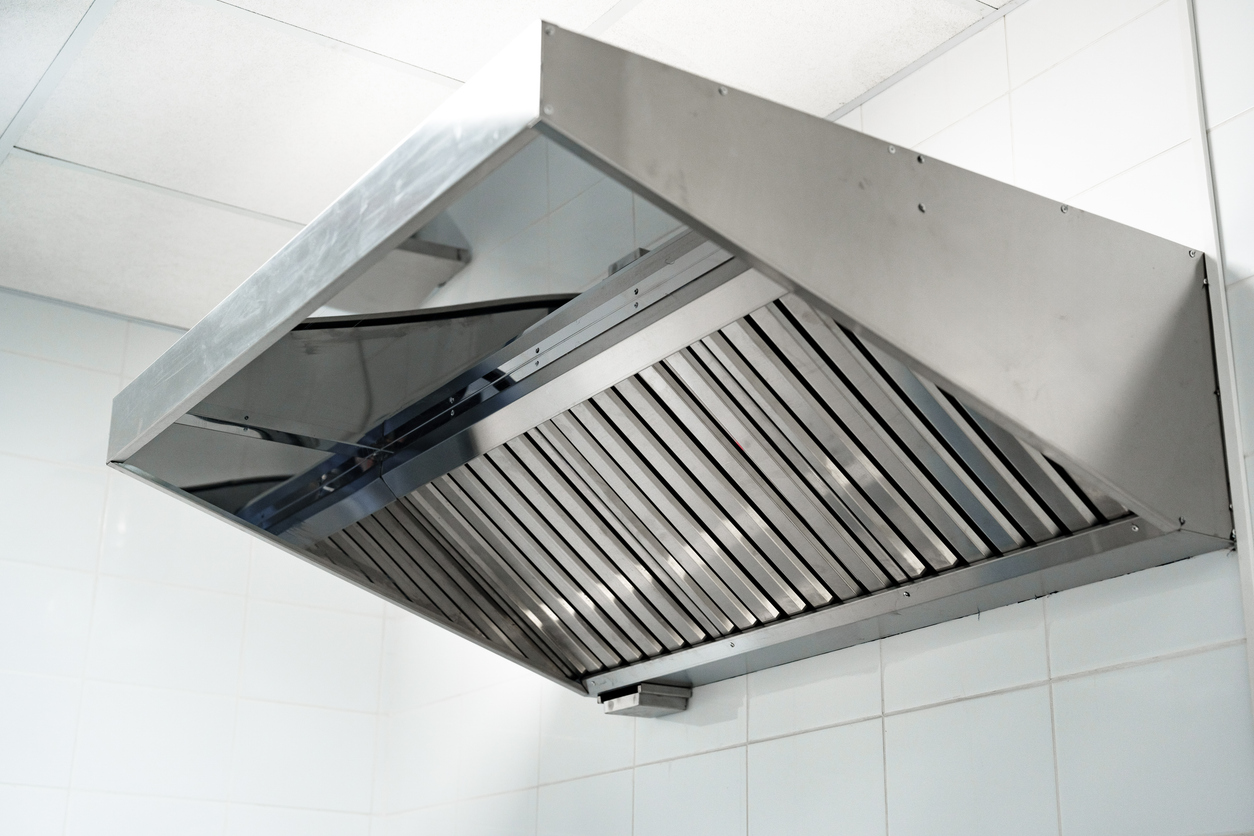
In a busy commercial kitchen, grease buildup is a fact of life. When you cook with any sort of fat, grease will begin to cover your workspace. When you cook at a commercial level, the problem grows several times over. But that’s part of the reason why any stovetop includes a hood filter. Hood filters trap grease, smoke, and airborne particles from going into the ventilation system, keeping the air in the kitchen safe and lowering the risk of fire. But over time, hood filters need to be cleaned, too.
If hood filters protect ventilation from particulates, then you may be wondering: Why is it necessary to clean vent hood filters, and what happens when you don't? Read on to learn about the dangers associated with unclean hood filters and what you can do to keep yourself and your kitchen safe.
What Vent Hood Filters Actually Do
Exhaust hood filters are important for any kitchen with a stovetop, but in a commercial kitchen, they’re particularly essential. Hood filters capture grease, smoke, steam, and odors before they reach the ductwork and stop these materials from getting into the ventilation system. If they were to get into the vents, they would be disseminated into the air inside the restaurant, exposing all staff and patrons to poor air quality, or worse: Risk igniting a fire.
With the high density of cooking that occurs in a commercial kitchen, hood vent filters dramatically reduce the risk of fires in kitchens. They’re the first line of defense for fire safety and air quality.
Given their important job, hood filters need to be performing correctly. But a clogged filter cannot do its job effectively. If it’s too badly compromised, it will no longer protect the restaurant from fires and low air quality.
Fire Hazards from Neglected Filters
If you’re wondering why is it necessary to clean hood filters, here’s the biggest reason: Neglected filters seriously increase the risk of a fire occurring in your restaurant. It is a matter of when not if a fire will break out.
Grease is highly flammable, and it’s one of the main contaminants that gets trapped in a vent filter. Clogged filters allow grease to migrate into ductwork, increasing fire risk throughout the entire exhaust system.
NFPA 96 standards are the set of requirements to maintain fire safety in kitchens. The rules require regular hood filter cleaning to keep kitchens safe. It’s best practice for staff to even keep a log of their cleaning schedule to avoid health inspector consequences and fines for non-compliance.
This is not a theoretical risk. Grease fires can occur quickly. They already have the accelerant, making them extremely strong and dangerous.
Health Code Compliance and Inspections
When you run a commercial kitchen, health inspectors come by regularly, and they will check hood filters. Dirty filters can trigger violations, fines, or even temporary closure.
Filters must meet Hazard Analysis Critical Control Point (HACCP) standards for food safety. If they don’t, you’ll deal with fines, in addition to the real safety risk towards your kitchen.
Hood filters can often function as a canary in the coal mine of kitchen safety. Clean filters signal a well-run, professional operation, while dirty filters suggest that deep cleaning falls to the wayside.
Air Quality and Kitchen Comfort
Poor air quality might not seem as immediately scary as fires, but it can still be a disastrous effect of dirty hood filters.
Dirty filters push smoke, grease, and heat back into the kitchen and sometimes into the restaurant ventilation system. It’s particularly dangerous for staff, who stay in the restaurant for hours each day. For staff members with respiratory issues, it can be extremely harmful for their health.
And if the ventilation system is compromised, dirty air can get into the dining room, too, making the guests uncomfortable and contributing to an unprofessional environment.
When the air is low quality, it’s hard for staff and guests alike to think about anything else. But a clean filter keeps air moving properly, staff focused on the food, and most importantly, everyone in the restaurant is safe.
The Better Way to Clean Hood Filters
Traditionally, kitchen staff clean hood filters in three-compartment sinks. While this method still works, it takes a lot of chemicals, and often still leaves grease and fat inside the filter.
Instead, kitchens should consider using heated soak tanks like FOG Tanks to clean their hood filters. Hood filters soaked in the FOG Tank come out measurably cleaner. In one test, a hood filter was 0.5 lbs lighter after a cleaning in a FOG Tank from all the lost grease buildup.
With a FOG Tank, the water and non-toxic Tiger Carbon Remover Powder last an entire month, meaning the process saves labor, water, energy, and time.
A traditional overnight soak wastes resources and still requires manual effort. But with a FOG Tank, the process fits so seamlessly into a kitchen staff’s existing routines that cleaning hood filters will become as standard as any other task.
Why Is it Necessary to Clean Vent Hood Filters? To Protect Your Staff and Patrons
Cleaning vent hood filters is not a nice-to-have or an arbitrary task to look good for the health inspector. For any commercial kitchen, it’s an essential responsibility. From ensuring fire safety, to making sure your kitchen is in fire and food safety code compliance, to preserving kitchen air quality, cleaning hood filters keeps your kitchen safe, both physically and professionally.
Using a FOG Tank is the smarter way to stay on top of cleaning hood filters and make the task a sustainable habit. If you’re interested in getting a FOG Tank for your kitchen, contact us to get a quote and learn more about how FOG Tanks can make your kitchen safer and your staff happier.