
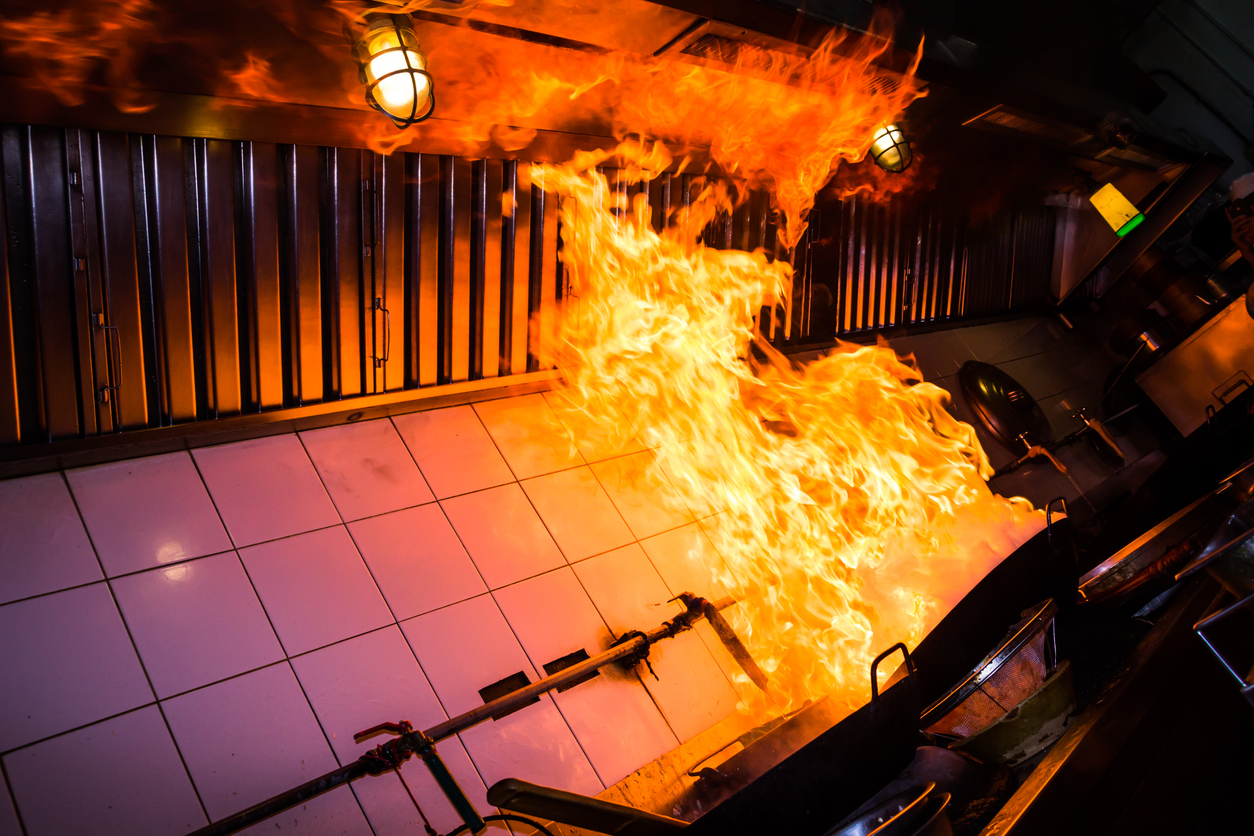
Every restaurant operator knows the kitchen is where the magic happens. It is also where the risk lives. Grease-coated equipment, high-heat cooking surfaces, and exhausted staff working under pressure create conditions where a fire can start fast and spread faster. Kitchen fire safety is not something to address after an incident. It is a daily operational responsibility that protects your people, your business, and your customers.
This guide covers the most important kitchen fire safety measures your team should have in place right now, including one often-overlooked factor that sits at the heart of most commercial kitchen fires: dirty equipment.
Why Commercial Kitchen Fires Start
The National Fire Protection Association (NFPA) reports that cooking equipment is the leading cause of fires in restaurants and food service establishments. The culprit in the majority of those fires is fat, oil, and grease, the same substance The FOG Tank® is designed to remove.
FOG accumulates on nearly every surface in a commercial kitchen. It coats pots and pans, bakes onto oven racks, saturates hood filters, and collects in the grease traps along your exhaust system. When temperatures climb, that buildup becomes a fuel source. A small flare-up that would otherwise extinguish itself can travel along a grease-coated surface and grow into something unmanageable in seconds.
The good news is that most commercial kitchen fires are preventable. The combination of proper training, the right equipment, and a consistent cleaning program will significantly reduce your exposure.
Hood Filters and Exhaust Systems: Your Highest Priority
If there is one area of your kitchen that demands the most attention from a fire safety standpoint, it is your ventilation and exhaust system. Hood filters trap grease-laden vapors before they enter the ductwork. When those filters are not cleaned regularly, grease saturates them to the point where they no longer function effectively. At that stage, they are not protecting your kitchen. They are storing potential fuel directly above your cooking line.
The NFPA 96 standard sets requirements for the inspection and cleaning frequency of commercial kitchen exhaust systems. Depending on your cooking volume and the types of food being prepared, your hood system may require professional cleaning as often as monthly. High-volume operations cooking greasy proteins are at the top of that risk profile.
Between professional service intervals, your team should be removing and soaking hood filters on a regular basis. This is where The FOG Tank® delivers real value. Hood filters soaked overnight in a three-compartment sink consume enormous amounts of water and chemicals, and they still often require scrubbing. The FOG Tank removes grease and heavy carbon from hood filters in a fraction of the time, without the scrubbing, and with water and Tiger Carbon-Removal Powder that lasts a full month of continuous use. Operators using The FOG Tank have documented hood filters coming out as much as half a pound lighter after soaking, which is a direct measure of how much grease has been removed.
Clean hood filters are not just a compliance requirement. They are a front-line defense against kitchen fires.
Grease Management Beyond the Hood
Hood filters get the most attention in fire inspections, but grease accumulates throughout the kitchen. Grease traps, drip pans, the underside of equipment, oven interiors, and the areas behind and beneath cooking equipment all collect FOG over time. A comprehensive kitchen fire safety program addresses all of these surfaces, not just the ones visible during a routine walk-through.
Schedule regular deep cleaning of cooking equipment, including the areas most staff do not see. The FOG Tank makes this more manageable by handling the most labor-intensive part of the process. Pots, pans, trays, oven racks, fry baskets, and other metal equipment can be loaded into the tank, and the Tiger Carbon-Removal Powder does the work. Your team is freed up to focus on the surfaces and areas that require manual attention.
Keeping equipment clean does more than reduce fire risk. It extends the life of your cookware, improves cooking performance, and makes health inspections significantly less stressful.
Fire Suppression Systems: Know What You Have
Every commercial kitchen should have an automatic fire suppression system installed in the exhaust hood. These systems are designed to detect a fire and discharge a suppression agent directly onto the cooking surface. They are required by code in nearly every jurisdiction and are one of the most important safety investments a restaurant can make.
Suppression systems require regular inspection and maintenance from a certified professional. Systems that have not been serviced are not reliable when you need them most. Know when your system was last inspected, keep that documentation accessible, and make sure your team knows where the manual pull station is located and how to use it.
It is also worth knowing that fire suppression systems do not eliminate the need to call emergency services. If the system activates, your protocol should include evacuating the area, confirming the fire is out, and calling 911 before reopening the kitchen for any reason.
Training Your Team to Respond, Not Just React
Even with the best equipment and cleaning protocols in place, your staff is your most important fire safety asset. People who are trained and know what to do in the first moments of a fire are far more valuable than people who freeze or make decisions out of panic.
Every employee working in your kitchen should know the location of all fire extinguishers, how to use a Class K extinguisher on a grease fire, where the gas shutoff is located, the procedure for activating and exiting when the suppression system fires, and your restaurant's full evacuation plan, including the designated meeting point.
Train your team when they are hired and run refresher training at least annually. Post your evacuation map somewhere visible. If your kitchen has rotating staff or high turnover, build fire safety into every onboarding cycle.
One non-negotiable point: never use water on a grease fire. Water causes burning grease to splatter and can instantly turn a manageable fire into a dangerous one. Class K extinguishers are specifically designed for cooking oil and grease fires and are the correct tool for your kitchen.
Safe Cooking Practices That Reduce Daily Risk
Many kitchen fires begin not from equipment failure or accumulated grease but from everyday cooking practices. Oils heated past their smoke point, unattended fryers, and crowded cooking surfaces are routine contributors to fire incidents.
Establish clear protocols around fryer management, including temperature limits, never leaving hot oil unattended, and keeping water and moisture away from fryers at all times. Deep fryers should be cleaned and the oil filtered or changed on a regular schedule. Old, degraded oil has a lower flash point than fresh oil, which means it ignites more easily.
Keep combustible materials away from open flames and hot surfaces. Towels, paper products, and cardboard boxes stored too close to cooking equipment are common contributors to fires that could have been prevented with a better storage setup.
Inspections, Compliance, and Documentation
Keeping your kitchen fire safe is not a one-time project. It is an ongoing program that requires documentation. Inspections by your local fire marshal, your insurance carrier, and your internal team all depend on your ability to show that cleaning, maintenance, and training are happening on schedule.
Keep records of hood cleaning, suppression system inspections, extinguisher certifications, and staff training. Know your local code requirements for your specific operation type. If your volume or menu has changed significantly, your cleaning and inspection schedule may need to be updated to reflect the new risk profile.
Cleanliness Is Your First Line of Defense
Every kitchen fire safety program ultimately comes back to the same foundation: keeping grease off surfaces where it can ignite. The most sophisticated suppression system in the world is a last resort. A clean kitchen is your first line of defense.
The FOG Tank® helps commercial kitchen operators build and maintain that foundation. By making it faster and easier to keep equipment free of fat, oil, grease, and carbon buildup, it removes one of the most persistent contributors to kitchen fires from the equation. The water and Tiger Carbon-Removal Powder last for a full month of use, and the process requires no scrubbing, which means your team can stay consistent without spending hours at the sink.
If you are ready to make kitchen fire safety a daily practice rather than an emergency response, contact us now to speak with one of our experts or order yours today.