Buy Or Lease Our Restaurant Soak Tank

Get a Free Quote

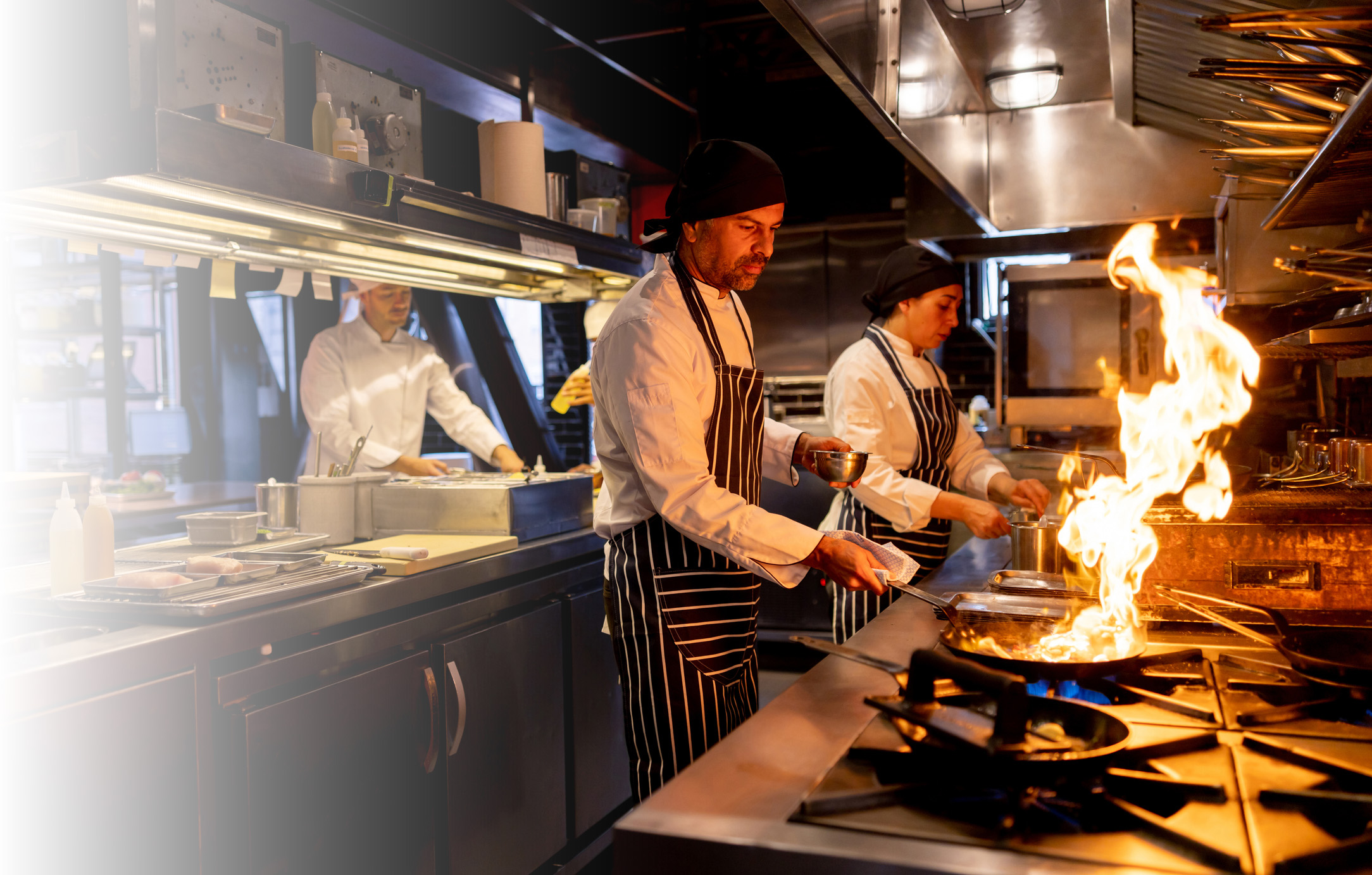
Chef cooking at a restaurant and flaming the food on a pan - food and drink concepts

Stop Scrubbing. Start Saving.

Restaurants run on margins measured in single digits, and every hour a chef spends at a sink is an hour they aren’t cooking. The scrubbing doesn’t stop either. Fry baskets, sheet pans, sauté pans, grill grates, and hood filters all come off the line dirty every single night, and somebody has to deal with them before the next service.

The FOG Tank® is a commercial heated soak tank for restaurants that takes that job off the schedule. Load your fry baskets, sheet pans, sauté pans, hood filters, and more into the tank, close the lid, and walk away. One fill of water and Tiger Carbon Removal Powder cleans for a full month. No scrubbing station, no tying up the sink for hours, and no cold water to dump and reheat between loads, all of which results in real savings your restaurant can count on.


A Few of Our Satisfied Customers

Angel Oak Barbecue logo
Bojangles logo
Buca di Beppo Italian Restaurant logo
Burger King logo
Cameron Mitchell Restaurants logo
Carl's Jr. logo
Chick-fil-A logo
Chili's logo
Chuy's logo
Cluckers Charcoal Kitchen logo
Cold Beers & Cheeseburgers Neighborhood Burger Joint logo
Dairy Queen logo
Darden logo
David Alan Hospitality Group logo
Del Frisco's Double Eagle Steakhouse logo
Denny's logo
Domino's logo
Donatos Pizza logo
Far Out Hospitality logo
Farmers Restaurant Group logo
Fresh Brothers logo
Gen Korean BBQ House logo
Good Guys' Pizza logo
Habit Burger & Grill logo
Hardee's logo
In-N-Out Burger logo
Juniper and Ivey logo
Kentucky Fried Chicken logo
KPOT logo
McDonald's logo
Nickco Hospitality Group logo
On the Border Mexican Grill & Cantina logo
Pizza Hut logo
Pollo Regio Mexican Restaurant logo
Red Lobster logo
Red Robin Gourmet Burgers and Brews logo
Rib & Chop House logo
The Stand logo
Sweetgreen logo
Texas de Brazil logo
Thai Chili 2 Go logo
Wok About Grill logo
Wonder logo

You Don’t Need Baked-On Carbon To Need The FOG Tank®

The most common reason a restaurant passes on a heated soak tank is they think it’s only a deep-cleaning tool. They picture a black pan caked with carbon that hasn’t been cleaned in years, decide their kitchen doesn’t get that bad, and move on.

That’s not all The FOG Tank® is for. It’s a daily tool too. Ordinary fat, oil, and grease is what goes in it most nights: the sauté pans off dinner service, the fry baskets at close, the sheet pans that came out of the oven with a film on them. Restaurant kitchen equipment cleaning at that level is most of what the tank does, and it’s where the labor hours actually are, because that’s the work happening every single shift.

Heavy carbon cleanup is an added bonus. Because The FOG Tank® handles the daily grease, it rarely gets the chance to bake into something nobody can remove, and pans stop cycling into the trash because they got too far gone to save. Kitchens that use our restaurant soak tank daily tend to find their cookware and equipment simply lasts longer.

Where Our Restaurant Soak Tank Pays For Itself

The moment daily cleaning shifts out of the sink and into The FOG Tank® is the moment when your kitchen starts saving on multiple fronts.

  • Less Electricity: Our insulated tank holds its heat instead of reheating cold water over and over, which can save a single restaurant location over $3,000 a year in energy costs.
  • Less Water: Soaking pans and filters in the three-compartment sink means draining and refilling all shift long as the water cools and dirties. The FOG Tank® holds one fill for a full month, which can save over 340,000 gallons of water a year.
  • Less Cleaning Chemicals: Every sink refill calls for fresh detergent and sanitizer. One charge of Tiger Carbon Removal Powder keeps working for a full month, so you buy and pour far less cleaner over the course of a year.
  • Less Labor: Hand scrubbing carbon or even doing daily warewashing for sheet pans, fry baskets, and grill grates eats into prep and close. The FOG Tank® does the work while your crew cooks, which can cut cleaning labor by half an hour a day or more.
  • Less Complaints: Back-of-house turnover runs high across the restaurant industry, and standing at a sink working a scour pad against a grill grate is the least popular job in the building. Taking it away removes one of the tasks people quit over.

Just opened, or just bought new pans? That’s actually the best time to bring in a tank. Your equipment never gets the chance to build up carbon in the first place, and the savings start the day the tank starts running. The sooner it goes in, the less you spend cleaning around buildup you could have avoided.

I love mine. I have a 4x12 grill. 12 filters plus 6 more filters in the kitchen. We are a grill it your own steak house. Easily takes off 6 extra hours during the week.

Brenden Hafner

One Restaurant Kitchen Hood Cleaning Task Your Team Can Handle In House With The FOG Tank®

Grease loves a restaurant exhaust system. Every hour of frying and grilling pushes grease up into your hood filters, and loaded filters raise the risk of fire and draw attention from inspectors. Cooking equipment is the leading cause of fires in eating and drinking establishments according to NFPA research, and the grease sitting in an exhaust system is what lets a small flare-up on the line turn into something that spreads. With The FOG Tank®, endorsed by CaptiveAire as the best method for cleaning hood filters, your team can maintain your hood filters easily and with confidence.

The Part Of The System Your Staff Is Allowed To Clean

Under NFPA 96, kitchen staff can clean the removable hood filters themselves. The hood structure, the ductwork, and the rooftop fan have to be cleaned by a qualified contractor, and in some jurisdictions by a specifically approved company that tags each hood as proof.

The hood filters are the piece you actually control, and unfortunately, they are also the piece that often gets neglected, because the usual method is either soaking greasy filters in the three-compartment sink and tying it up for hours on end, or else using a heavy-duty pressure washer or sprayer. Both waste water and require time and energy from your staff. The FOG Tank® is how a restaurant does that part properly while using fewer resources.

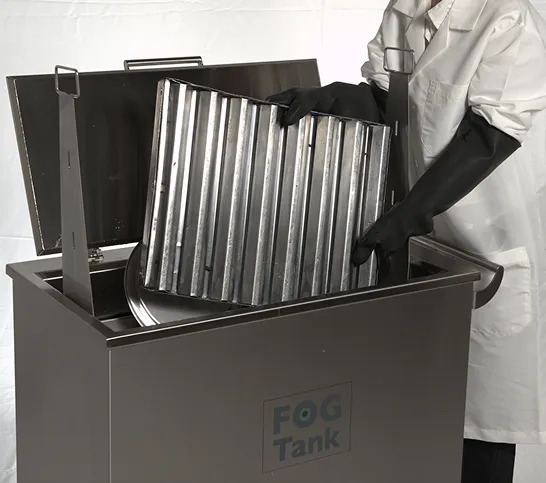
Worker pulls a clean hood vent out of a FOG TankHow Often Hood Filters Really Need Cleaning

NFPA 96 sets exhaust system cleaning intervals by what and how much you cook, not by the size of your dining room. Solid fuel operations usually fall on a monthly schedule. Typically, high-volume kitchens running charbroilers, woks, or 24-hour service fall on a quarterly one, moderate-volume kitchens semi-annually, and low-volume kitchens annually. Your fire marshal may require shorter intervals, and many do.

Those are the intervals for the certified cleaning of the whole system. Hood filters need attention far more often than that, and a restaurant on a nightly or weekly filter rotation is the one whose system is still clean when the contractor arrives and when the inspector shows up unannounced. Filters also get pulled and looked at during an inspection, so their condition is not something that stays behind a panel.

Restaurant Hood Filters Cleaning Without Tying Up The Sink

The FOG Tank® makes restaurant hood filters cleaning part of the daily routine. Drop your removable metal filters into the tank, let the heated soak lift the grease and carbon, and rinse them clean. Filters come out looking new, which keeps your exhaust pulling the way it should and your cleaning logs ready for an inspection. They also come out around half a pound lighter than when cleaned by a three-compartment sink. Cleaned this way, filters go back to bare metal, so the grease that feeds a hood fire is gone rather than pushed farther into the system.

Our restaurant soak tank cleans your removable hood filters, but not the fixed hood plenum or the ductwork behind it. That work stays with your certified contractor. What changes is that the filters going back into that hood are clean every week instead of whenever a sink happens to be free. Your certified hood cleaner may even discount their services or give you a credit for keeping the filters clean yourself.

How Our Restaurant Soak Tank Works In Your Commercial Kitchen

1
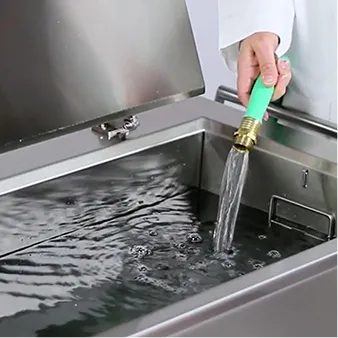
Person fills a FOG Tank with water from a hose
FILL

Fill the FOG Tank® with (preferably hot) water to the ‘Fill Line’ marked on the inside, plug the tank into an electrical outlet, and push the ON button.
2
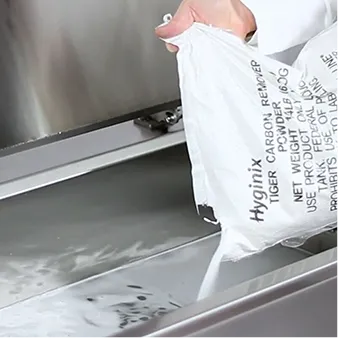
Person pours Tiger Carbon-Removal Powder into a FOG Tank
ADD

Slowly add the Tiger Carbon Removal Powder.

3
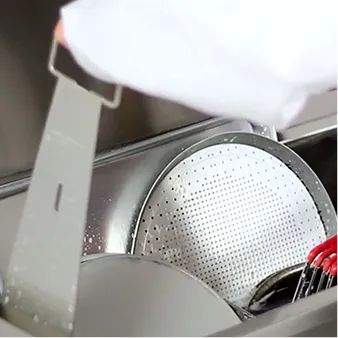
Person adds dirty kitchen equipment to the FOG Tank
LOAD

Load the soak tank with your dirty pots, pans, vent hood filters, etc., using the ‘lifting basket’ that is housed inside the FOG Tank®.

4
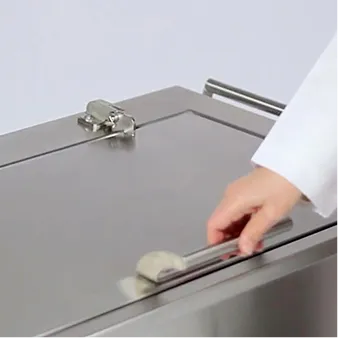
Person closes the top of the FOG Tank
CLOSE

Close the lid, leaving the items in the tank to soak, and walk away!

5
Person removes clean kitchen equipment from the FOG Tank
REMOVE

Remove the items from the tank, then simply rinse off any loose or softened carbon fragments. Any items removed from our kitchen soak tanks will be clean and fully sanitized.

Getting clean cookware and equipment from The FOG Tank® takes only a few quick steps and virtually no hands-on time. Once per month, fill the tank with hot water to the fill line and add Tiger Carbon Removal Powder. As often as you’d like, load your dirty pans, fry baskets, hood filters, and more into the lifting basket, close the lid, and let them soak. When they come out, a quick rinse takes off any loosened carbon, and your cookware and equipment are clean and sanitized.

Because the water and powder stay active for a full month, your team can drop cookware and equipment in throughout the day and pull it out ready to use. A line cook can load burnt sheet pans at close, and the opener can rinse them clean the next morning. The tank cleans items effectively even when they are nested inside one another, so you can pack it full without worrying about spacing things out. If it fits inside, it comes out clean.

Built For The Way Restaurants Actually Cook

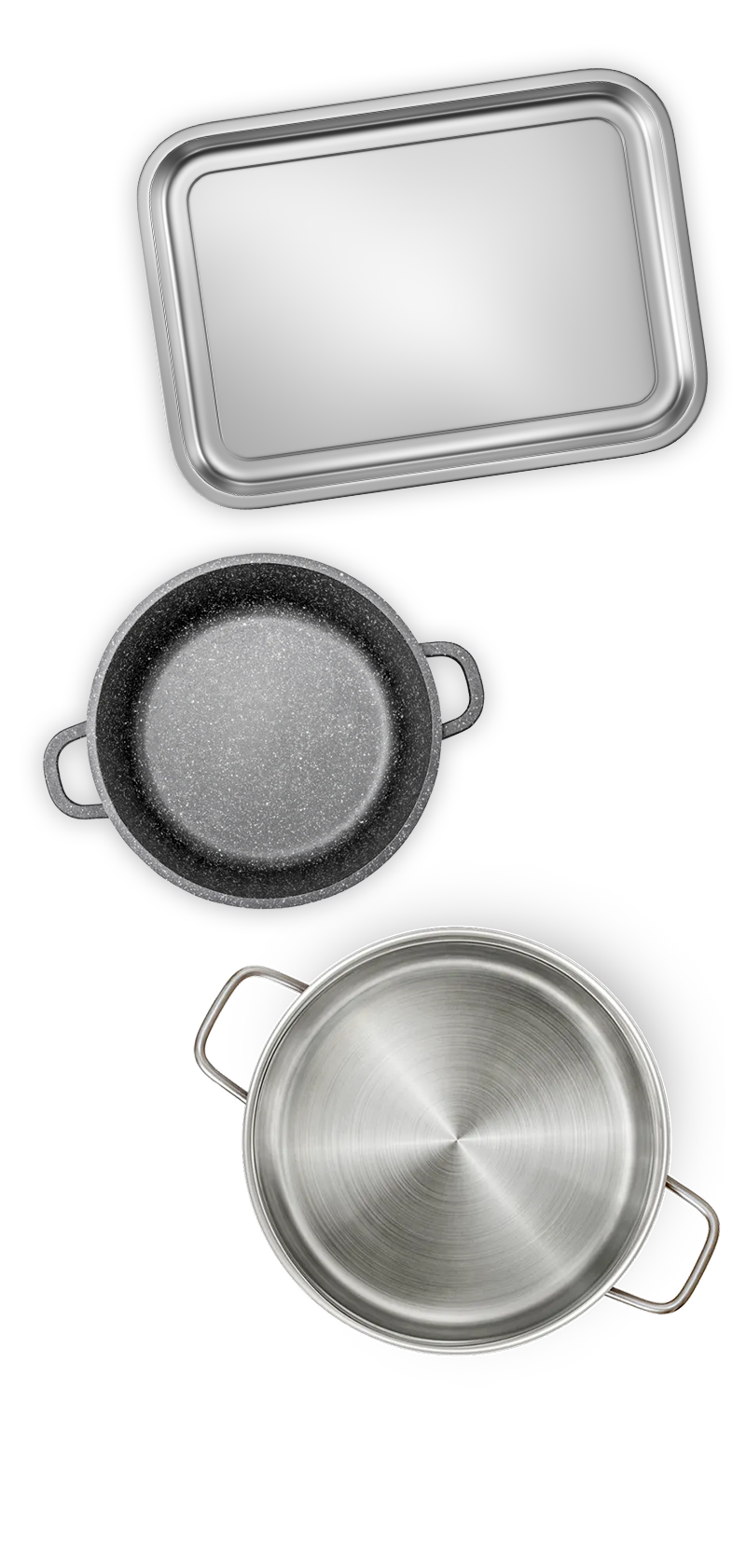
Overhead view of a clean metal pan, cast iron pan, and metal sheet pan
One fill lasts a full month

Fill The FOG Tank® once with water and Tiger Carbon Removal Powder and it keeps cleaning for a month, whether you run it once a week or every single day.

No scrubbing required

Load your cookware and equipment, close the lid, and walk away. The heated soak does the work, so nobody wastes time and effort at the sink with a scour pad.

Sized for hood filter rotation

Our 25-gallon and 40-gallon models hold six standard hood filters, and we offer a variety of other sizes to accommodate your needs, whatever they are. Whole racks of filters go through at once instead of a few at a time.

Safe for your equipment and staff

Tiger Carbon Removal Powder is non-caustic, non-toxic, biodegradable, aluminum safe, and food safe, so it cleans aluminum pans and steel without harsh fumes. It’s safer for your team too, with no caustic chemicals to handle or store. We do recommend gloves when loading and unloading items, since the water is hot.

Fits a tight kitchen

The popular 40-gallon model tucks under the drainboard of a three-compartment sink or a countertop, so it doesn’t take up any additional footprint even in a small back of house. And because the tank is filled and emptied only once a month, it doesn’t have to sit next to a sink or even inside the kitchen. A back room, storage shed, or any covered space that’s out of the elements works.

Made to last

Built from 304 stainless steel and fully insulated, The FOG Tank® stands up to frequent hot soak cleaning day after day, year after year. In fact, we still have tanks in service today that have been in service for over 20 years.

What Goes In The FOG Tank® At Close And Comes Out At Open

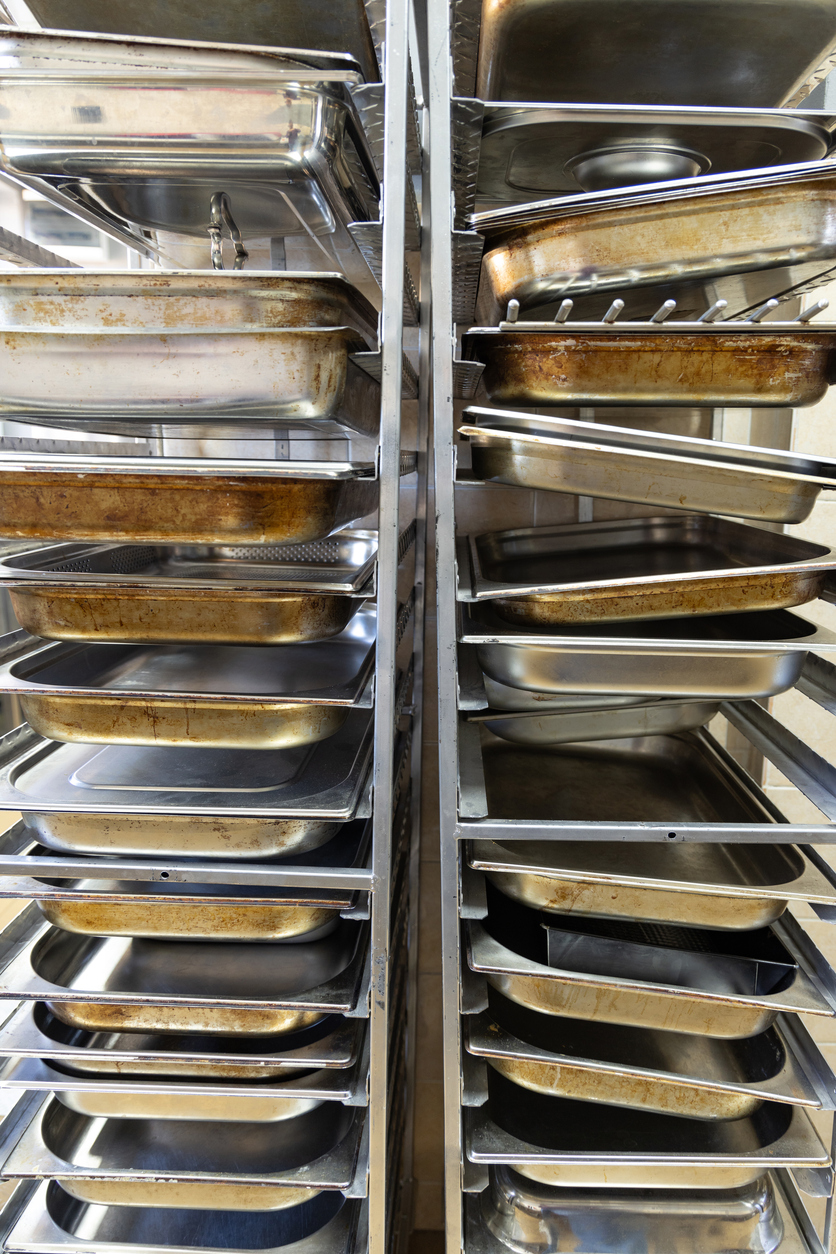
Almost any metal or heavy-duty plastic item in your kitchen that picks up grease or carbon can go in The FOG Tank®. That includes:

  • Fry baskets and fryer parts
  • Sauté pans, sauce pots, and stockpots
  • Sheet pans and baking trays
  • Pizza screens, pizza pans, and pizza belts
  • Grill grates, char broiler grates, grill weights, and pan racks
  • Oven racks and salamander racks
  • Metal steam table pans and hotel pans
  • Removable hood filters
  • Other cookware and kitchen equipment

If it is metal or heavy-duty plastic, it’s removable, and it has buildup, it most likely belongs in the tank. Aluminum is safe in the tank, along with stainless steel and every other kitchen metal. Whatever comes off the line goes into the basket at the end of the night (or any time during a shift), and whoever opens pulls it out, rinses it, and seamlessly puts it back in service.

Restaurant Kitchen Sanitation Without A Second Step

The FOG Tank® is thermostatically controlled and holds water at 185° F. Simply rinse items as they come out and they are clean and fully sanitized. There is no separate sanitizing pass to schedule, no basin to test and refresh partway through a shift, and no chance of a pan going back on the line because the third compartment was cold and nobody caught it.

For Everything That Cannot Go In The Tank, There’s GrimeGo®

Your restaurant has several surfaces that never see the inside of a soak tank. GrimeGo® handles those. It’s a non-caustic, non-toxic all purpose cleaner and degreaser that cuts through grease on oven interiors, floors, mats, walls, and the outside of your equipment. Pair GrimeGo® with The FOG Tank® and your cookware and equipment soaks clean while the rest of your kitchen gets wiped down with the same safe standards.

Why Restaurants Nationwide Choose The FOG Tank®

The FOG Tank® is built by Hyginix, a woman-owned, family-run manufacturer of heated soak tanks for commercial kitchens. Every tank is made from 304 stainless steel and built to run day after day.

Restaurants and facilities teams know the names Hyginix stands behind. The FOG Tank® carries UL Listed and NSF marks, and even more importantly, it’s already being used by thousands of commercial kitchens in all 50 states and worldwide.

Buy or lease, whichever fits your budget, and see testimonials from our customers to learn more.

Frequently Asked Questions About Our Restaurant Soak Tank

Will a restaurant soak tank replace my three-compartment sink?

Your three-compartment sink is required by law and stays in your kitchen, but you can use The FOG Tank® instead to save on water, energy, and labor costs. The FOG Tank® takes over daily cleaning of your metal and heavy-duty plastic cookware and equipment, from everyday grease to baked-on carbon, so you don’t need to rely on the sink for scrubbing pans and soaking filters.

Can my kitchen staff clean our hood filters themselves, or does that need a contractor?

Your kitchen staff can clean the removable hood filters. NFPA 96 reserves the hood structure, ductwork, and exhaust fan for a qualified contractor, and some jurisdictions require a specifically approved company for that work. Filters are the part you handle in house, and cleaning them on a regular rotation in The FOG Tank® helps keep grease from building up in the rest of the system between contractor visits.

How often should restaurant hood filters be cleaned?

Hood filters should be cleaned even more often than the certified cleaning of your full exhaust system, which NFPA 96 schedules monthly for solid fuel, quarterly for high-volume kitchens, semi-annually for moderate volume, and annually for low volume. Most restaurants running fryers or a grill get the best results cleaning hood filters weekly or nightly, a pace you can maintain far more easily with The FOG Tank®. Your local fire marshal can also set a shorter interval than the NFPA baseline, so check what applies to you.

Can The FOG Tank® clean my restaurant’s hood filters?

Yes. Removable metal hood filters are one of the most common items restaurants clean in The FOG Tank®. It lifts grease and carbon off hood filters so they drain and vent properly. The fixed ducts and hood structure still need a certified exhaust cleaning contractor.

Will The FOG Tank® fit in a small restaurant kitchen?

Most likely, as long as you choose the right size. Our popular 40-gallon model fits under the drainboard of a three-compartment sink, and The FOG Tank® comes in several other sizes, from a 25-gallon unit up to larger models for high-volume restaurant kitchens.

It also doesn’t have to live in the kitchen. Since the tank is filled and emptied once a month, it can sit in a back room, a storage shed, or any covered space where it’s not exposed to the elements.

Is Tiger Carbon Removal Powder safe for aluminum and food contact equipment?

Yes. Tiger Carbon Removal Powder is non-caustic, non-toxic, aluminum safe, and food safe, so it cleans aluminum sheet pans and stainless equipment without harsh chemicals or fumes.

How do I fill The FOG Tank®?

Fill it to the marked fill line using the drain hose that comes with the tank or any standard hose, then add your Tiger Carbon Removal Powder and press ON. That’s the only setup for the whole month!

What if someone forgets to scrape off loose food before loading the tank?

Scraping isn’t required for the tank to clean well, and a pan that goes in with food on it won’t hurt the tank or the powder. The reason we recommend it is that loose food collects in the tank and sits there until the water change, and a month of that starts to smell the same way a trash can with old food in it would.

How often do I change the water and powder in The FOG Tank®?

Once a month. One fill of water and Tiger Carbon Removal Powder cleans for a full month, whether you use The FOG Tank® once a week or run it around the clock.

How do I dispose of the water at the end of the month?

Tiger Carbon Removal Powder is non-caustic, non-toxic, and fully biodegradable, so there’s no hazardous waste handling involved. Just drain the tank with the hose it comes with and empty it the way you would any other kitchen wash water.

The water looks dirty. How do I know items are coming out clean and sanitized?

The water turns dark after the very first wash, and that’s normal. It’s holding the grease and carbon it pulled off your equipment, and it has no effect on how well it cleans. The tank holds water at 185° F for the full month, which cleans and sanitizes while items soak. Rinse each item as it comes out and you can rest assured that it’s clean, fully sanitized, and ready for service.

Can I lease a restaurant soak tank instead of buying?

Yes. You can buy or lease The FOG Tank® to fit your budget. Contact us to find the size and option that fits your kitchen.

Ready To Get The Scrubbing Out Of Your Kitchen?

See how a restaurant soak tank can cut your cleaning labor and utility costs while keeping your cookware and equipment looking new. With both purchase and leasing options available, our team will help you land on the right size for your line. Contact us to talk with an expert and order yours today.