


















School Kitchen Cleaning That Has To Fit An Academic Year
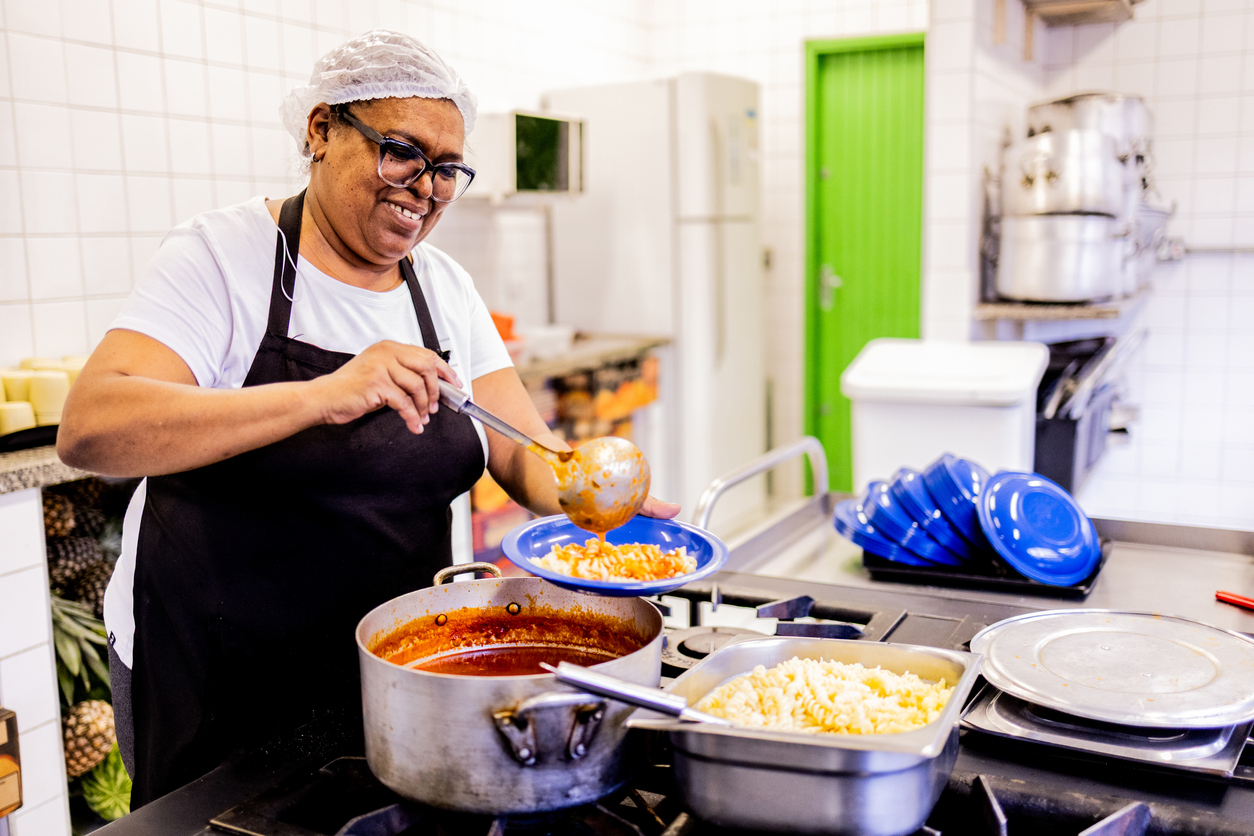
A school kitchen runs on a calendar unlike any other in the foodservice industry. A K‑12 kitchen has roughly 180 serving days, two meal periods stacked back-to-back most mornings, and a hard stop when the bell rings. A college dining hall runs a longer day for students who eat breakfast, lunch, and dinner on campus, then empties out over winter and summer breaks. Both land in the same place: a summer that is either the only real deep cleaning window of the year or the season when the crew is smallest.
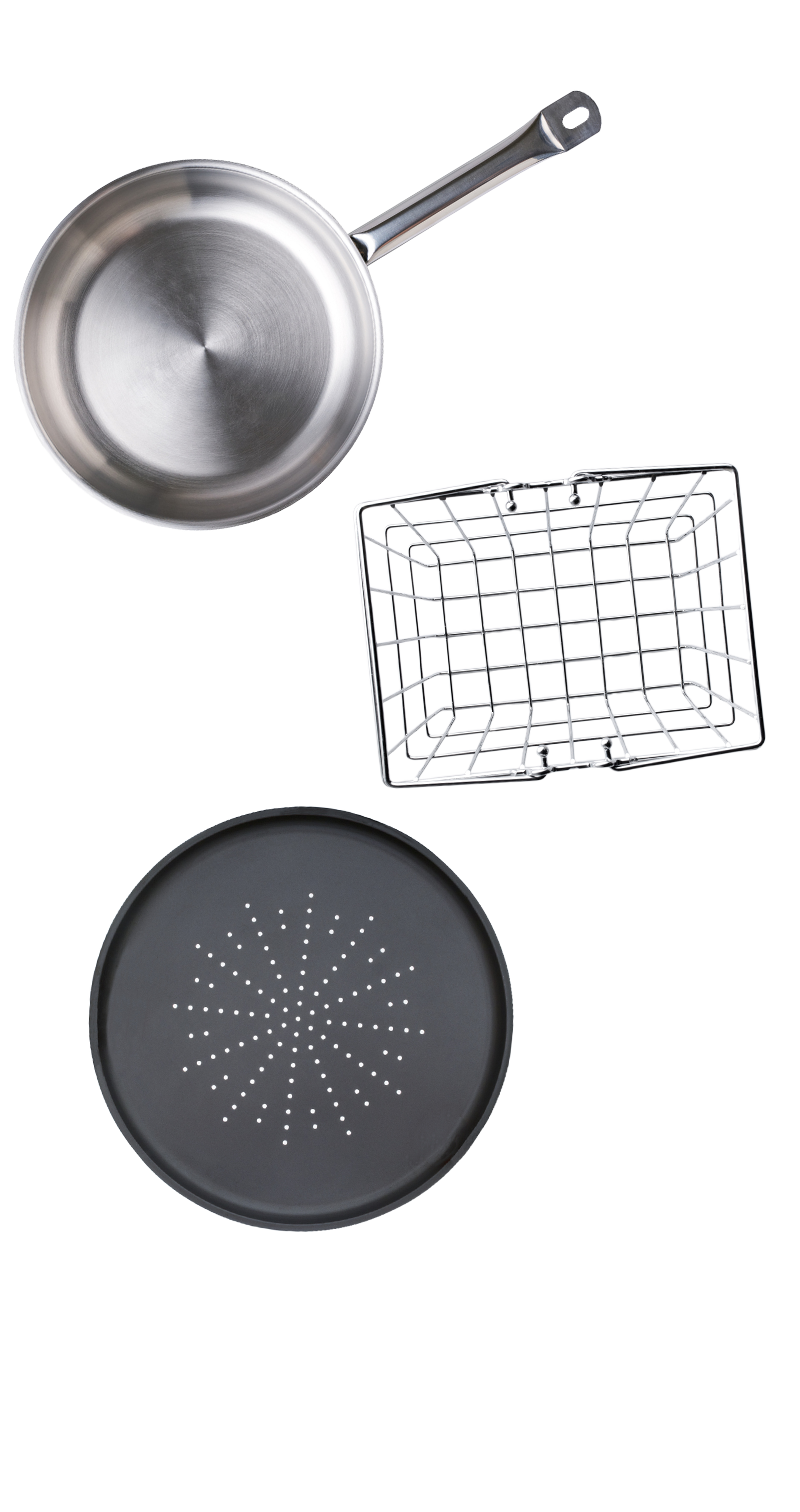
That schedule leaves very little room for cleaning everything by hand. Cafeteria cooking is rough on equipment: sheet pans come out of the oven caked in carbon, roasting pans hold onto scorched proteins, fry baskets collect grease with every service, and vent hood filters load up long before the next inspection. When the only tools are a sink and a scrub pad, that work needs a person and a stretch of uninterrupted time, and a school kitchen reliably has neither.
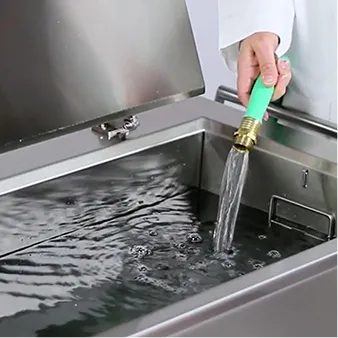
So it accumulates. A single absence or a thin summer roster leaves the backlog growing faster than anyone can keep up with, and the pans that get written off as scrap were usually salvageable three months earlier. There’s a better way to keep school kitchen equipment clean without asking more of the people you have: The FOG Tank®

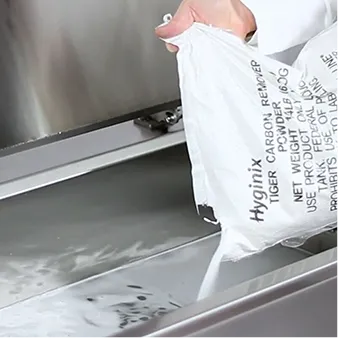

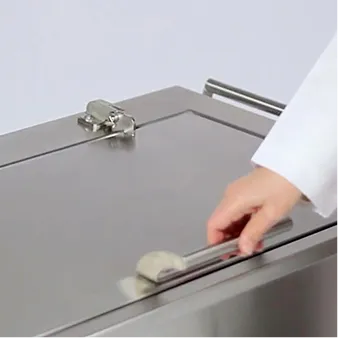
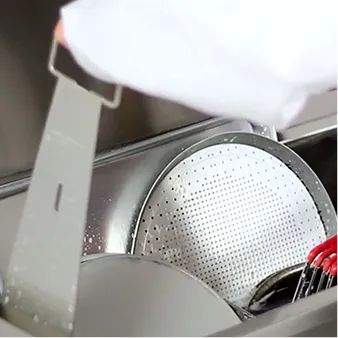
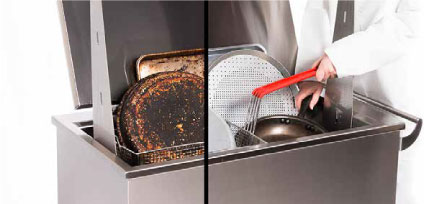 Where A Heated Soak Tank Helps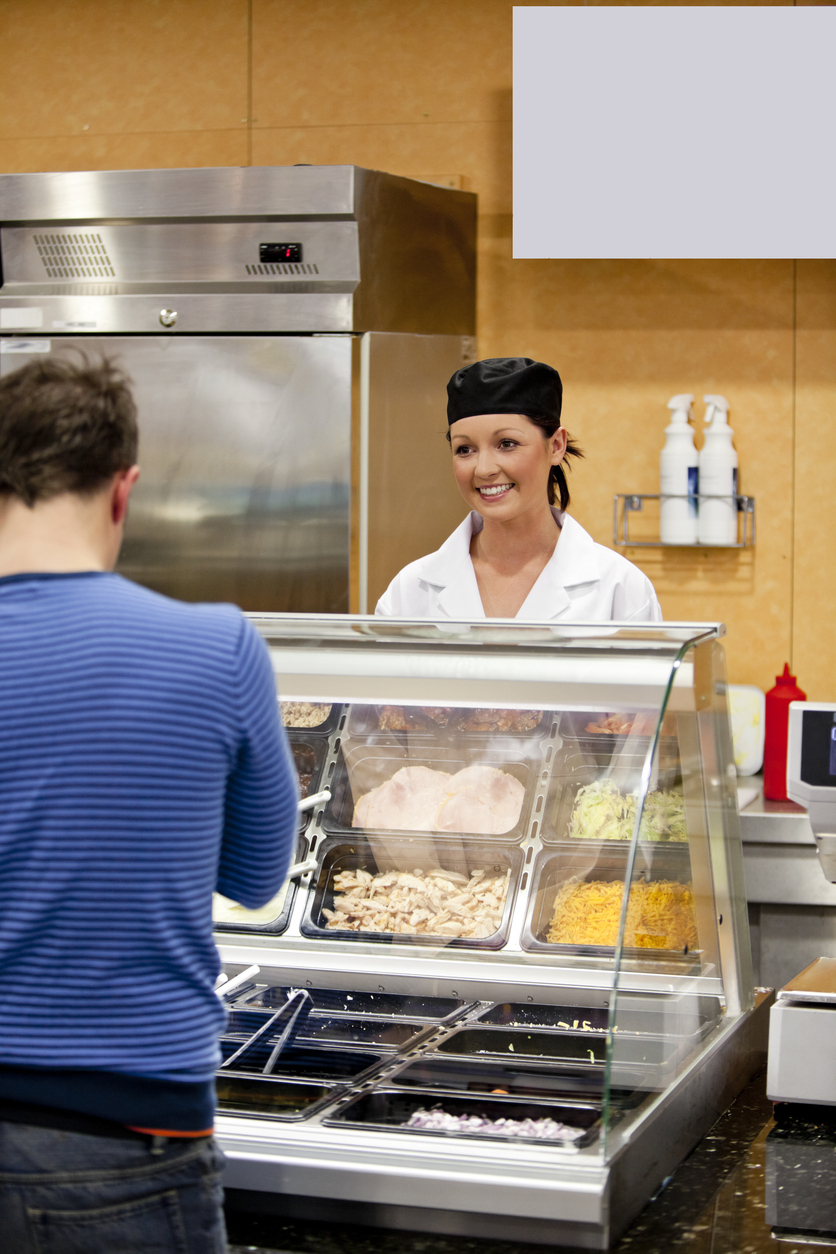




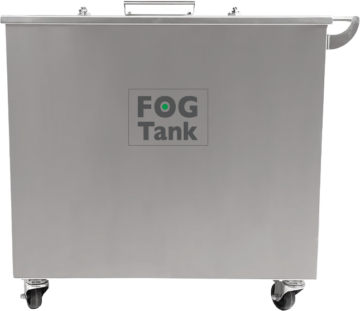 Schools with a Career and Technical Education (CTE) culinary arts or hospitality program may be able to purchase The FOG Tank® with Perkins V grant funds.