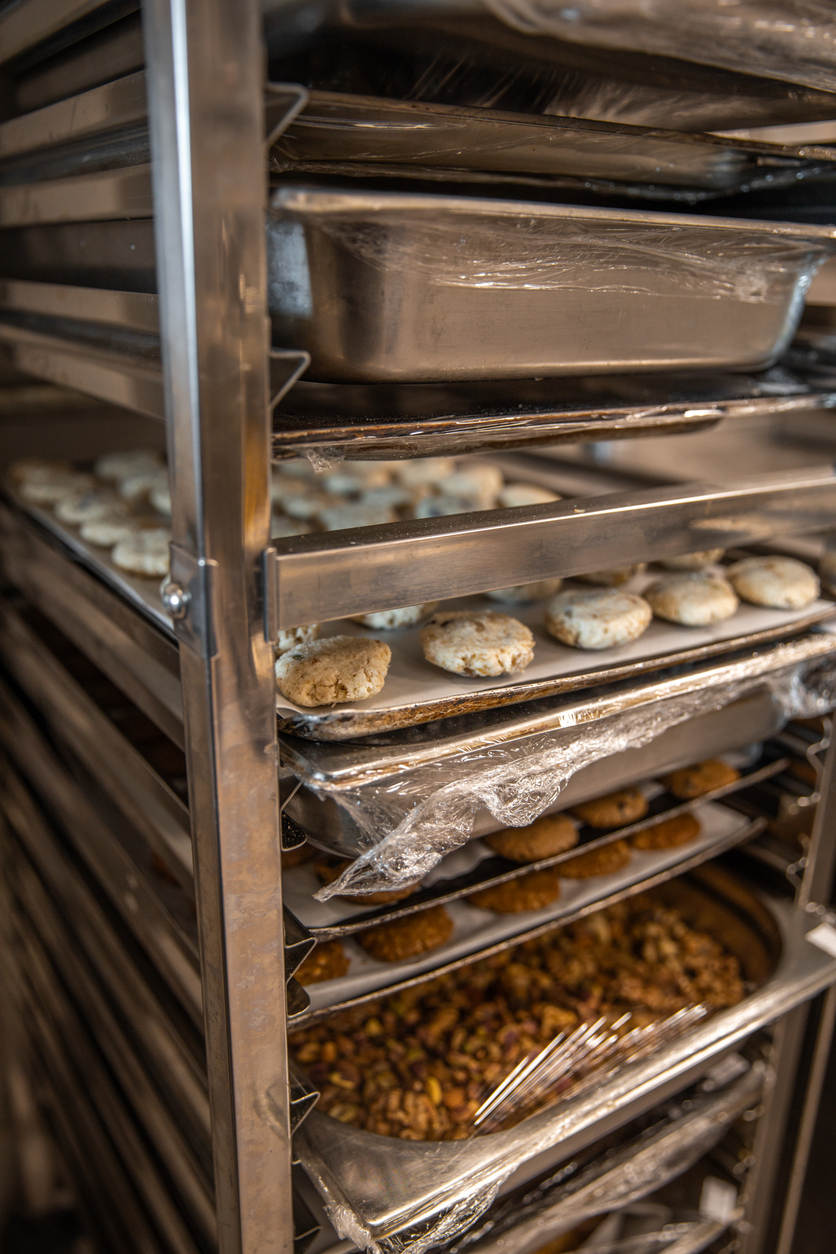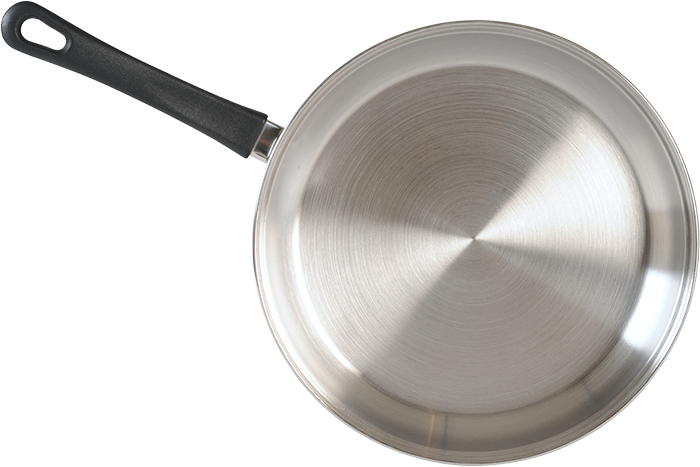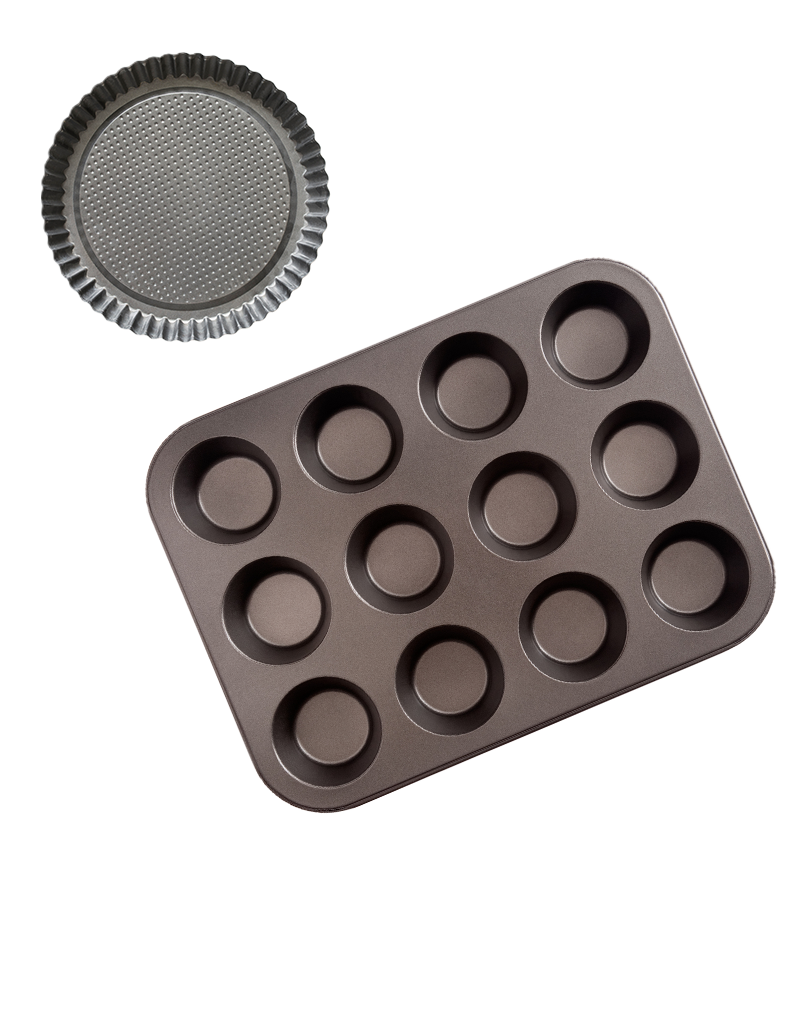
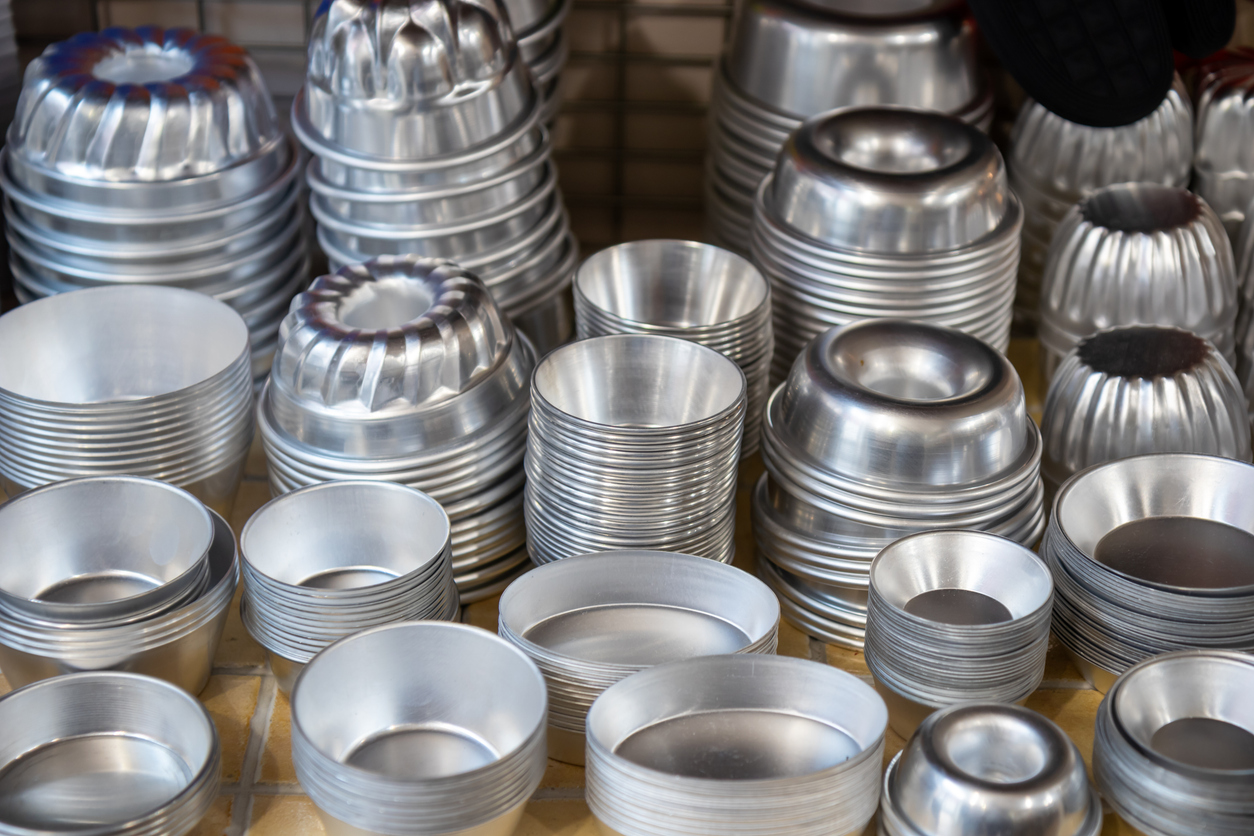






















Pan color changes how a bake turns out. Dark surfaces absorb heat faster and drive browning harder, which is why bakeware manufacturers sell blackened pans on purpose for crusty breads and why baking guidance tells you to adjust time and temperature when you switch to a darker pan. That’s a known variable, and a bakery can work with a known variable.
Carbon buildup is the same physics arriving uninvited. A pan darkens gradually, unevenly, and at a different rate from every other pan in the stack, depending on what ran on it and how often. Nobody adjusts a recipe for it because nobody can see it happening day to day. What shows up instead is a batch that browned too hard on one rack, a bottom crust that went further than it should have, and a slow drift in consistency that gets blamed on the oven.
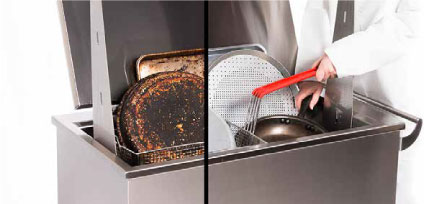 What A Commercial Bakery Pan Cleaner Has To Break Down
Bakery residue is not the same problem as restaurant grease. Sugar caramelizes, then carbonizes, and what’s left behind is hard, dark, and bonded to the metal. Scrubbing it takes real time and real force, which is why the usual shortcuts are steel wool and aggressive scouring. Neither one takes carbon off, and both scar the pan surface trying.
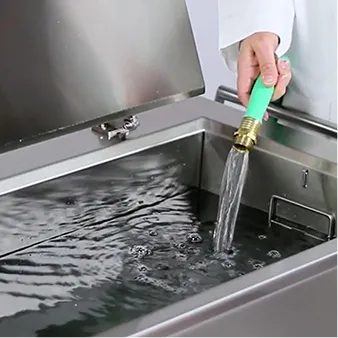
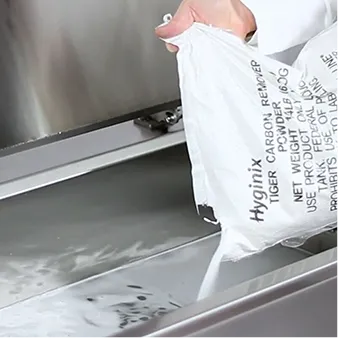
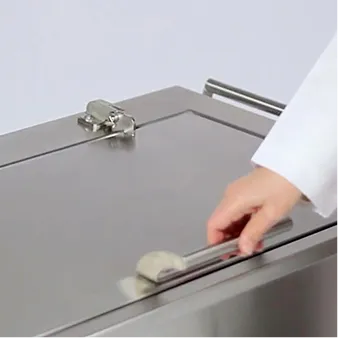
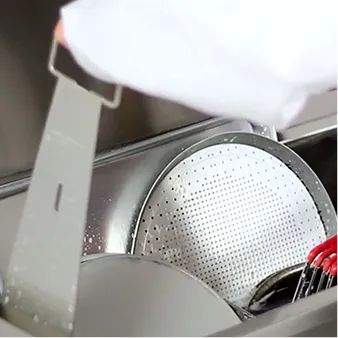
Heat and chemistry get residue off without the force. Our Tiger Carbon Removal Powder is built to break down baked-on sugar and carbon rather than only grease, which is what makes The FOG Tank® an industrial bakery pan cleaner rather than just a soak bucket. It is non-caustic and non-toxic, fully biodegradable, and safe on food contact surfaces, so all that’s needed after it soaks is a quick rinse.
 The FOG Tank® Means Fewer Pans In The Scrap Pile
A pan usually gets thrown out because the buildup won, not because the pan failed. Handling bakery pan cleaning on a routine rather than as a last-ditch rescue keeps that layer from ever setting hard enough to write a pan off, and pans that stay in service are pans you don’t have to waste time and money reordering.