The Heated Soak Tank That Sanitizes Hospital Kitchen Equipment

Get a Free Quote

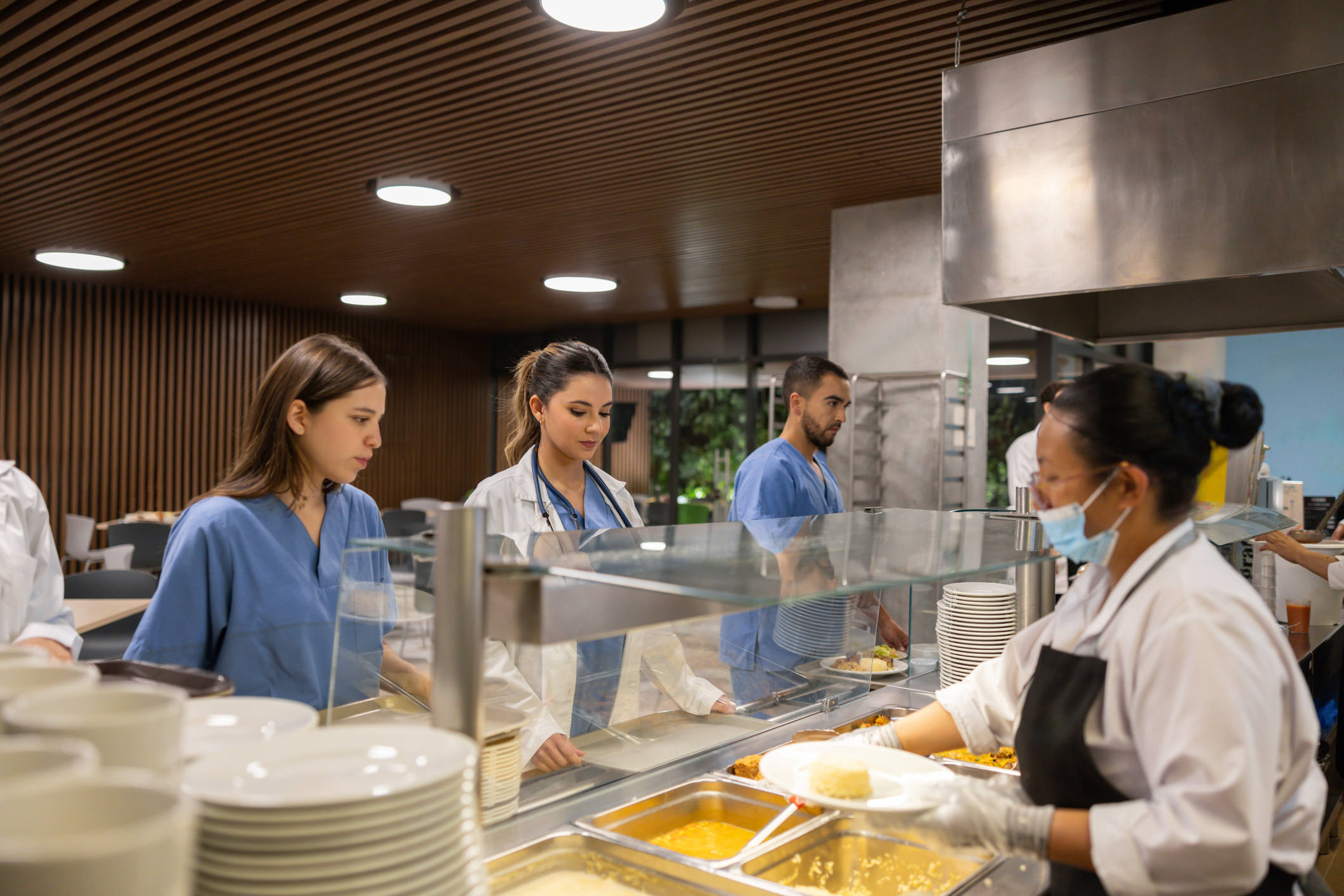
Group of doctors having lunch in the hospital's cafeteria at the buffet

Make Sure Your Hospital's Cookware And Kitchen Equipment Is Fully Cleaned

A dietary department feeds the most vulnerable people in the building. Patients recovering from surgery, going through chemotherapy, or managing a transplant have immune systems that cannot absorb a mistake, and every one of their meals passes through the same hotel pans and sheet pans that a short-staffed crew has to get clean between meal periods. Hand scrubbing is only ever as thorough as the person holding the brush on that particular shift.

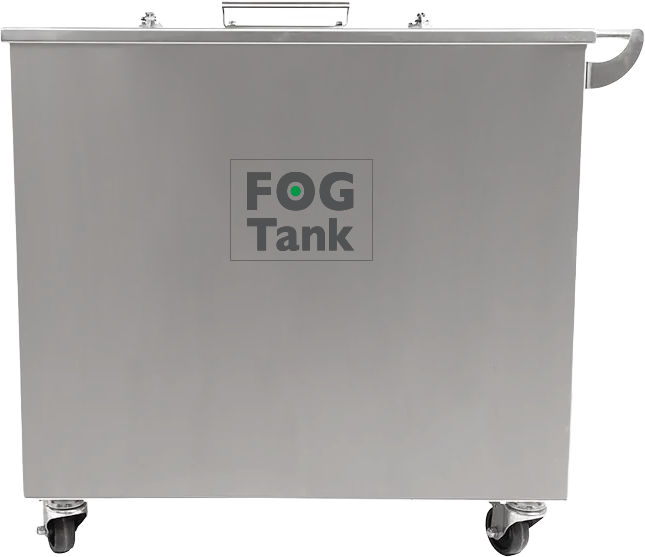
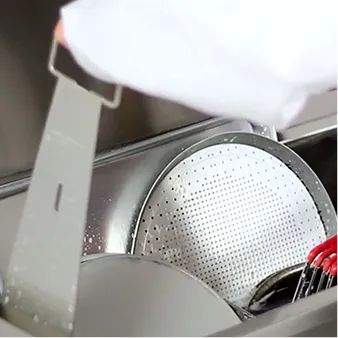
The FOG Tank® is a heated soak tank for hospital kitchen equipment and cookware. Load metal or heavy-duty plastic items into the lifting basket, and the tank submerges every item at the same steady temperature for as long as the load needs while your staff move on to other tasks. Add the proprietary Tiger Carbon Removal Powder and water just once a month for continuous cleaning power. Staff clean items as soon as they come off the line, instead of waiting for the sink to open up or squeezing the job in before the next tray cart rolls out.


A Few Of Our Satisfied Customers

Baptist Health Care logo
Community Hospital of the Monterey Peninsula
Dameron Hospital logo
El Camino Health logo
El Centro Regional Medical Center logo
Emanate Health logo
Hoag logo
Holy Cross Medical Center logo
Huntington Health logo
Rady Children's Health logo
St. Joseph's Health logo
UT Southwestern Medical Center logo

Where Hand Washing Leaves Hospital Kitchen Equipment At Risk

Hospital kitchen sanitation follows a rule that applies to every food contact surface: a surface has to be clean before it can be sanitized. Sanitizer only works on what it can touch. Anything sitting under a layer of baked-on grease, starch, or carbon is shielded from it, which means a pan that looks acceptable and a pan that is actually sanitized are not always the same pan.

Buildup Creates Places For Bacteria To Sit

Carbon and grease deposits are not smooth. They leave a rough, pitted texture, and food safety research has long identified scratched, pitted, and corroded surfaces as the easiest places for bacteria to establish themselves, because trapped food particles are protected there from both detergent and sanitizer. Steel wool and aggressive scouring make the problem worse over time by etching fresh scratches into the pan. Taking the buildup off completely, rather than scrubbing around it, is what returns a surface to something that can actually be sanitized.

Hand Scrubbing Is Uneven By Nature

Rivet heads, welded seams, handle joints, the corner radius of a hotel pan, and the mesh of a vent hood filter are all places a brush reaches poorly. A three-compartment sink adds its own variables, since wash water cools and loads up with soil across a shift, and the sanitizing basin has to be tested and refreshed to stay at strength. On a light day with a full crew, none of that is a problem. On a Sunday with two dietary aides and three meal periods to cover, coverage gets uneven, and the items that get shortchanged tend to be the hardest ones.

Immersion Treats Every Item The Same

The FOG Tank® takes the human variable out. An item goes into the lifting basket, goes under the water, and stays underwater. Heat and Tiger Carbon Removal Powder reach the inside of a stock pot, the corner of a sheet pan, and the seam of a filter frame with the same contact, and they keep working for as long as the item is there. The water holds a steady 185° F the whole time, so the last pan of the night gets the same temperature as the first. Items removed from The FOG Tank® come out clean and fully sanitized, and the only step left is a quick rinse to clear any softened residue.

How To Use Our Heated Soak Tank For Hospital Kitchens To Clean And Sanitize Equipment

1
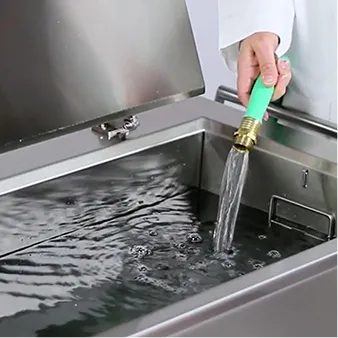
Person fills a FOG Tank with water from a hose
FILL

Fill the FOG Tank® with (preferably hot) water to the ‘Fill Line’ marked on the inside, plug the tank into an electrical outlet, and push the ON button.

2
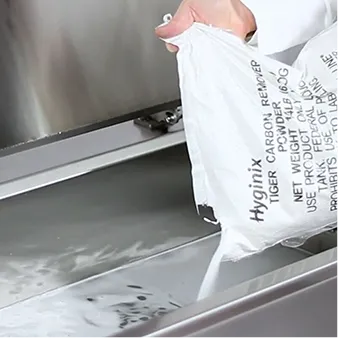
Person pours Tiger Carbon-Removal Powder into a FOG Tank
ADD

Slowly add the Tiger Carbon-Removal Powder.

3
Person adds dirty kitchen equipment to the FOG Tank
LOAD

Load the soak tank with your dirty pots, pans, vent hood filters, etc., using the ‘lifting basket’ that is housed inside the FOG Tank®.

4
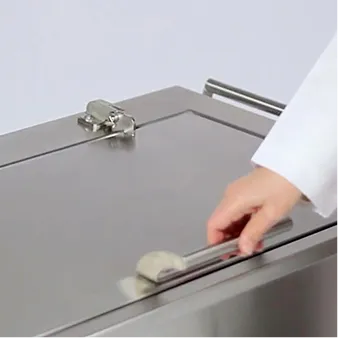
Person closes the top of the FOG Tank
CLOSE

Close the lid, leaving the items in the tank to soak, and walk away!

5
Person removes clean kitchen equipment from the FOG Tank
REMOVE

Remove the items from the tank, then simply rinse off any loose or softened carbon fragments. Any items removed from our kitchen soak tanks will be clean and fully sanitized.

Loading The FOG Tank® doesn’t require changing much about how your hospital kitchen already runs. Scrape loose debris off first, set metal and heavy-duty plastic cookware and equipment in the lifting basket, and lower the basket into the tank. From there, nobody scrubs it, scrapes it, or checks back on it. When the soak is finished, lift the basket out, remove each item and rinse it, and then your hotel pans, sheet pans, oven racks, and hood filters are ready to go straight back into use.

Soak times run from a few minutes to several hours depending on how much has built up, so a lightly soiled steam table pan and a roasting pan that has been going for months both have a single piece of hospital kitchen equipment that works to clean them. The water and Tiger Carbon Removal Powder hold their cleaning strength for a full month, whether The FOG Tank® runs once a day or through all three meal periods, so the routine never involves draining, refilling, testing, and starting over in the middle of a shift.

I’m writing you to say how much I (we) love the fog tank. The dishwashers absolutely love it. It’s made cleaning the hood filters and everything that never gets cleaned on a daily basis so easy to clean. Big thanks to you.
Carlos SmithDenny's

Cleaning Chemistry That Belongs In A Healthcare Building

In a healthcare setting with vulnerable patients, a cleaner that fumes, burns, or leaves residue becomes a problem that reaches well past the kitchen. Tiger Carbon Removal Powder, which is used inside The FOG Tank®, is non-caustic, non-toxic, fully biodegradable, aluminum safe, and food safe. There is no acid to store, no caustic bath to warn staff about, and no reason to wall the cleaning area off from the rest of the space.

A dietary department sits inside a building full of people in fragile health. Your team can rest assured that every item that comes out of The FOG Tank® is fully sanitized and safe for a healthcare environment. That means zero bacteria, zero germs.

Less Physical Strain On Dietary Staff

Stewarding and dietary aide roles turn over faster than most departments would like, and the least popular part of the job is standing at a sink working a scrub pad against baked-on carbon. Taking that task away removes a repetitive job nobody wants to be assigned. The included lifting basket also means nobody reaches bare-handed into 185° F water to load or unload, though we still recommend gloves when handling hot equipment coming out of the tank.

No Special Electrical Work Needed

Bringing new hospital commercial kitchen equipment into a department usually starts a conversation with facilities about power. The 25-gallon and 40-gallon models run on 120 volts through a standard 15 amp outlet. The 80-gallon model uses a 120 volt 20 amp outlet, and the 120-gallon and 126-gallon models run on 240 volts. Confirm the receptacle with our team before delivery and most installations come down to moving The FOG Tank® into place and plugging it in.

Hospital Kitchen Equipment The FOG Tank® Cleans

Kitchen equipment for hospitals spans patient meal service and a retail cafeteria line, often within the same building. Anything metal or heavy-duty plastic across that list can go into The FOG Tank®, and grouping it by where it comes from makes the full range easier to see.

Patient tray line and service

  • Hotel pans
  • Steam table pans
  • Cambro containers
  • Cutting boards

Production kitchen, fry station, and exhaust

  • Sheet pans
  • Tilt skillet inserts
  • Oven racks
  • Stock pots
  • Fry baskets
  • Vent hood filters

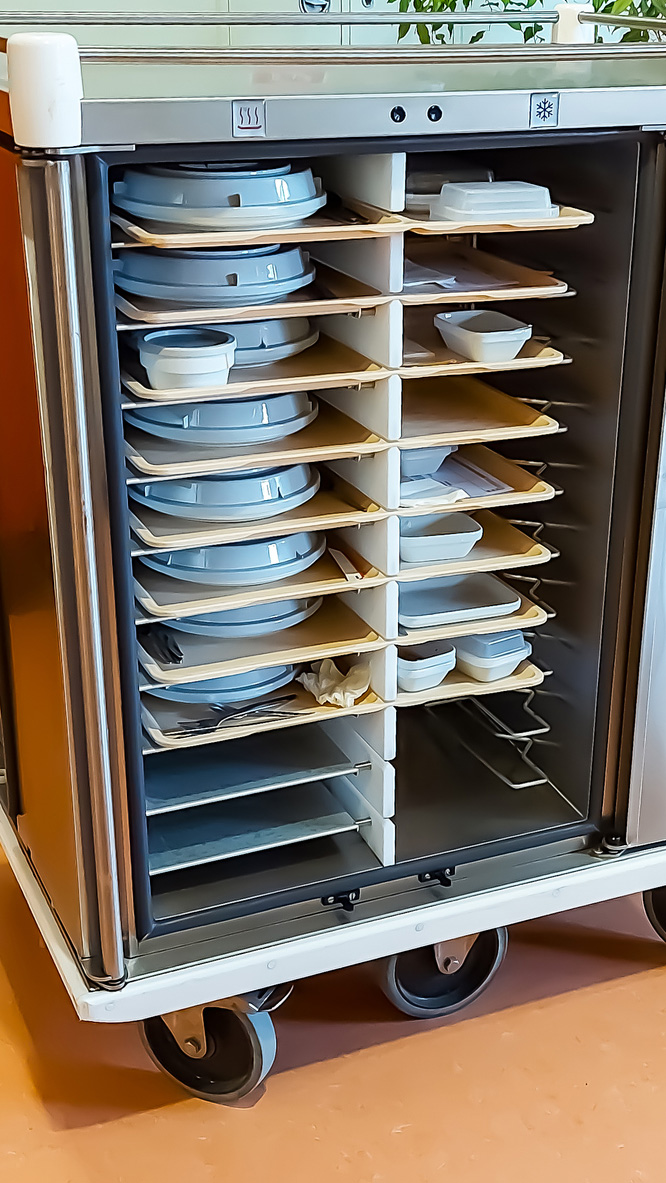
Other metal or heavy-duty plastic hospital kitchen equipment and cookware fits the same way. For example, you could clean the trays that are used to deliver food to people in The FOG Tank® too as long as they can withstand 185° F.

For a sense of how much goes in per load, the 80-gallon model holds 50 sheet pans, and even larger models are available depending on your needs. Running patient trays and a retail counter off the same equipment list is unusual outside of healthcare, and The FOG Tank® is sized to handle both without needing a separate cleaning routine for each.

Ready For A Survey That Arrives Without Warning

Hospital surveys are unannounced. A dietary tracer is part of the triennial Joint Commission survey for hospitals using accreditation for deemed status, and it pulls standards from Environment of Care and Infection Control in alongside the clinical side of patient diets. Unlike a scheduled health department visit at a restaurant, there is no window to get ready first.

Visible Residue Is A Finding

Joint Commission has named cleanliness and infection control among its top opportunities for improvement in hospitals, and equipment carrying visible residue, stains, or bioburden is part of what surveyors write up. A roasting pan with a dark ring baked into it is exactly the kind of thing noticed on a walkthrough, and it is a hard finding to talk your way out of. When that pan goes into The FOG Tank® every day instead of waiting on a deep clean twice a year, carbon never gets the chance to accumulate, and nothing sits in rotation looking worse than it should.

Hood Filters Carry Their Own Code

Every commercial kitchen exhaust system falls under NFPA 96, and hood filters sit at the center of that code, since a filter thick with grease is exactly what turns a small kitchen fire into one that spreads through the exhaust system. A dietary department running three meal periods a day doesn’t have much slack to pull filters for a long soak in a three-compartment sink that retail service and tray line dishwashing are already competing to use.

The FOG Tank® takes hood filters out of that competition entirely, though it isn’t a substitute for the certified contractors NFPA 96 still requires for the fixed ductwork and hood structure above the line. What The FOG Tank® handles is the hood filters themselves: load them into the tank instead of the sink, and they come out fully degreased without anyone standing over them with a brush. Filters typically come out around half a pound lighter than the same filters cleaned in a three-compartment sink.

What A Dietary Budget Gets Back Every Month With The FOG Tank®

Over time, The FOG Tank® even pays for itself in savings. Across a full month of tray service and retail meals, you’ll see savings show up in four key places.

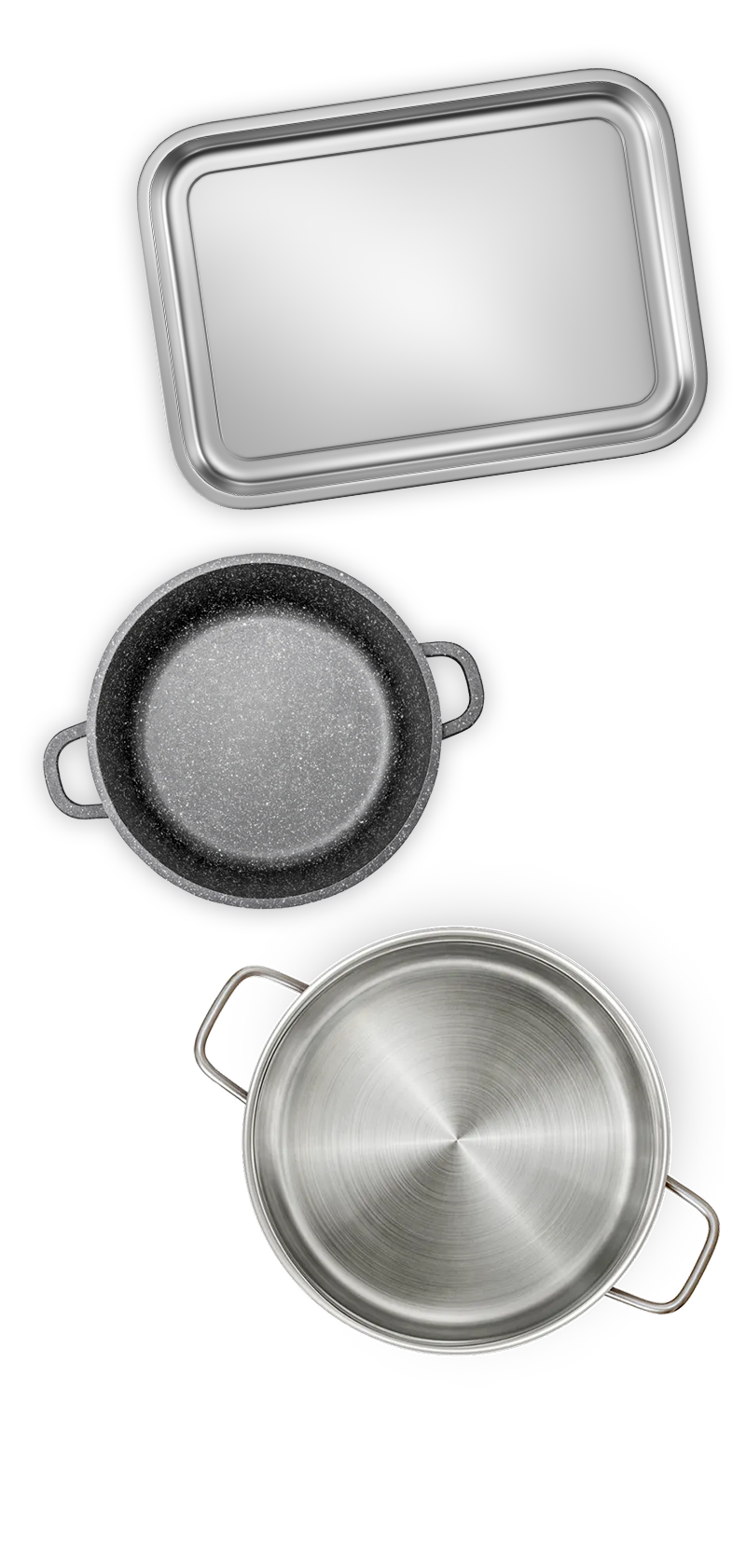
Overhead view of a clean metal pan, cast iron pan, and metal sheet pan
Less Water

Sink water only stays useful for so long before it needs replacing, and a kitchen running patient trays and a retail line back to back burns through that water fast. The FOG Tank® only asks for a fill once a month, no matter how many shifts run through it in between, which could save you 340,000 gallons of water or more annually.

Less Cleaning Chemicals

Detergent and sanitizer get measured out fresh for every wash cycle at a three-compartment sink, which adds up over three meal periods a day. Tiger Carbon Removal Powder only gets added to The FOG Tank® once a month, and it holds its strength whether it’s a light day or the kitchen is running flat out.

Less Labor

Scrubbing carbon off a steam table pan by hand takes time nobody on a short shift really has to spare. Even daily washing for pots and pans is time staff could better spend elsewhere. The FOG Tank® takes those tasks off their list entirely, since cookware and equipment soaks without supervision. By reducing stewarding time half an hour or more each day, your dietary aides and stewards can spend more time on tray assembly and patient service instead.

Less Electricity

Reheating a tank of water that’s gone cold since the night shift costs real power, which is exactly what The FOG Tank® is built to avoid. Its fully insulated stainless steel body holds the water at temperature between soaks, so the heater isn’t doing that work over and over.

Peace of Mind

Every item that leaves The FOG Tank® is clean and fully sanitized, with zero bacteria and zero germs. The pans and trays reaching your patients carry no risk and don’t require your team to check them. That stays the same whether it’s a Sunday with two aides on shift or on a fully staffed Tuesday.

One System For Your Entire Hospital Kitchen

Not everything that needs degreasing fits inside a soak tank. Oven interiors, prep tables, and the tray line itself all need attention too, and that’s where GrimeGo® comes in. It’s a non-toxic, non-caustic all-purpose cleaner built to the same standard as The FOG Tank® itself, which means a dietary department can cover cookware, kitchen equipment, and hard surfaces without stocking a separate industrial degreaser for hospital kitchen cleaning.

GrimeGo is a painless method to clean the greasiest of ovens! Our staff praises GrimeGo for its ease of use and getting the job done without tons of scrubbing.

Curtis Cooke, CDM, CFPPCasa de Mañana

Read More Reviews

Trusted By Hospitals Nationwide

A dietary department bringing in new hospital commercial kitchen equipment needs more than a sales pitch to justify it internally. The FOG Tank® holds both NSF (National Sanitation Foundation) and UL (Underwriters Laboratories) certification. More importantly, hospitals and thousands of other commercial kitchens across all 50 states and worldwide already rely on The FOG Tank®, and we still have tanks in service today that have been in service for over 20 years.

If your department is opening a new kitchen or has just replaced its pans, that’s the ideal moment to bring a tank in. Buildup never gets a chance to start, and the savings begin with the first load rather than after the damage is already done.

Questions about fitting one into your department? Get in touch with our knowledgeable team today. If you want to see how other kitchens are using The FOG Tank®, check out our customer testimonials.

Frequently Asked Questions About Our Hospital Kitchen Equipment

Does The FOG Tank® clean hospital kitchen equipment or sanitize it?

It does both, in that order, in a single soak. A hotel pan or sheet pan still carrying grease or carbon can’t be sanitized underneath that layer, so The FOG Tank® lifts the buildup off first. The tank holds water at a consistent 185° F, works with Tiger Carbon Removal Powder, and keeps every item fully submerged for the entire soak. Items come out clean and fully sanitized, and all that’s left is a quick rinse before they go back into rotation.

How does a soak tank reach spots that hand scrubbing misses?

By not depending on reach. A brush has to be pressed against a surface at the right angle to do anything, which is why rivets, welded seams, handle joints, and filter mesh get shortchanged first by hand scrubbing when a shift runs long. Water reaches all of it equally in The FOG Tank®, and it stays in contact for the whole soak instead of the second or two a scrub pass gives any one spot. There’s also plain human error to account for. Nobody is perfect, and neither is anybody’s cleaning at the end of a long shift, which is why hand scrubbing results vary from person to person and from day to day.

Is Tiger Carbon Removal Powder safe for aluminum and food contact surfaces?

Tiger Carbon Removal Powder is non-caustic, non-toxic, and fully biodegradable, which covers aluminum and food contact surfaces without exception. Anything that comes out of The FOG Tank® is already clean and sanitized, so all that’s left is a quick rinse to clear off any softened residue before it goes back into rotation.

How often do you change the water and powder in The FOG Tank®?

Once a month. Fill with water to the marked line and add the Tiger Carbon Removal Powder, and The FOG Tank® runs from there without interruption, holding a steady 185° F. That single fill keeps its full cleaning strength whether you use the tank once a month or 24/7, so a kitchen cleaning through every meal service gets the same results as one that only pulls the tank out occasionally.

How do I fill The FOG Tank®?

The tank ships with a hose that works for filling as well as draining, and any standard hose does the job too. Fill to the marked line, add the amount of Tiger Carbon Removal Powder that matches your tank size, and the setup is handled for the month.

How do I dispose of the water at the end of the month?

Tiger Carbon Removal Powder is non-caustic, non-toxic, and fully biodegradable, so nothing about the used water calls for hazardous waste handling. Drain the tank with its hose and empty it the way your department handles other kitchen wash water.

The water looks dirty. How do we know items are coming out sanitized?

The water darkens after the first wash, and that’s the grease and carbon coming off your pans. The solution holds its full cleaning strength for the month regardless of color. The tank stays at 185° F the entire time and items stay fully submerged for the whole soak, which is what does the sanitizing. Rinse each item as it comes out and it’s ready for the tray line again, clean and fully sanitized.

What if someone forgets to scrape a pan before it goes in the tank?

The pan still comes out clean either way, and scraping has nothing to do with the tank’s cleaning power. The reason we recommend it is that loose food stays in the tank until the water gets changed. Leave enough of it in there and you get the same result as a trash can of stale food sitting in an office for a month.

Does a heated soak tank replace a three-compartment sink?

Health codes still call for a three-compartment sink regardless of what else is in the kitchen, though they don’t require you to use it. What ends up changing is how much of the daily cleaning load that sink handles. Hotel pans, hood filters, and other metal or heavy-duty plastic equipment and cookware can run through The FOG Tank® instead, and that’s where you can take advantage of time, water, and energy savings.

Can one FOG Tank® keep up with a hospital running patient trays and a cafeteria out of the same kitchen?

Typically, but the right size depends on how much volume is actually running through the kitchen. The FOG Tank® comes in a range of sizes to meet your needs. For a health system running especially high volume across multiple floors or buildings, it’s worth talking through the specifics with our team to make sure you land on the right setup.

What does The FOG Tank® need for power?

The 25-gallon and 40-gallon models plug into a standard 120 volt, 15 amp outlet. The 80-gallon model needs a 120 volt, 20 amp outlet, and the 120-gallon and 126-gallon models run on 240 volts. No plumbing connection is required either way, since The FOG Tank® is filled and drained rather than plumbed in.

Size The Right Heated Soak Tank For Your Dietary Department

The difference usually shows up within the first few soaks after The FOG Tank® goes into service: sanitation happens consistently, fewer pans get pulled from rotation, and staff spend less time parked at a scrub sink between meal periods. The items that used to get shortchanged on a busy shift stop being a question.

To size a heated soak tank against your patient census and retail volume, call (858) 566-6212 or fill out our contact form.